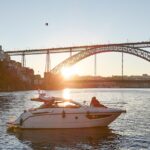
Six bridges, one calm ride.
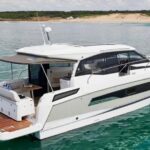
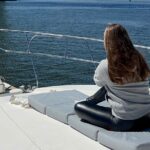
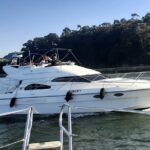
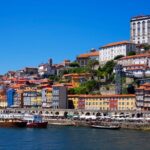
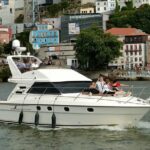
What makes this Douro cruise special is how it treats Porto and Gaia like a moving photo set: you glide past iconic spans with room to breathe, plus a private yacht feel for a small group. I especially like the onboard “small stuff done right” touches like the snack table of local products with a bottle of Lambrusco, and the fact you can enjoy the ride at your pace with your own group only. The one thing to keep in mind is that the experience depends on good weather, so you’ll want a flexible mindset for rain or wind.
You’ll start at Marina do Freixo and cruise along the river as the Douro pulls you between Porto and Gaia. The highlight for many people is the mix of engineering eras: old railway-era metalwork, a major 1886 symbol bridge, and even a highway span with a concrete record at the time. The timing is short on purpose (about 2 hours), which is great when you’re busy, but it also means there’s no long wandering off the boat.
In This Review
- Key points I’d plan around
- A 2-hour private yacht cruise along Porto–Gaia bridges
- Where you meet: Marina do Freixo to a smooth start
- Stop-by-stop: seeing Porto’s bridge story unfold on the water
- The first bridge after leaving the marina
- A second stop: a railway bridge
- The 1877 Eiffel-designed railway bridge between Porto and Gaia
- The newest Porto–Gaia bridge opened in 2003
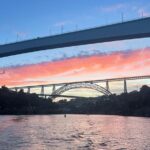
- The 1886 Seyrig bridge: Porto’s symbolic view over the river
- The final, imposing 1963 road bridge with the concrete arch record
- What’s included onboard: snacks, Lambrusco, music, and restroom comfort
- How to think about the price ($319.39 per group up to 8)
- Best time to go and how to enjoy the bridges without rushing
- Who this Douro bridge cruise suits best
- Quick practical tips before you go
- Should you book this Porto Douro bridge yacht cruise?
- FAQ
- How long is the Douro river yacht cruise?
- What’s the meeting point in Porto?
- Is this a private tour?
- What’s included in the price?
- Can I choose music during the cruise?
- What happens if the weather is bad?
Key points I’d plan around
- Private boat for up to 8 means quieter views and less waiting around
- Six bridges in about 2 hours gives you a tight Porto-to-Gaia story
- Local snack table + Lambrusco bottle keeps the vibe easy
- You can set the mood with music and enjoy the ride your way
- Restroom onboard makes the trip smoother, especially for a longer sit on the water
- Weather matters since poor conditions can shift dates or refunds
A 2-hour private yacht cruise along Porto–Gaia bridges
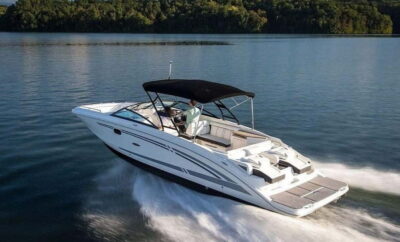
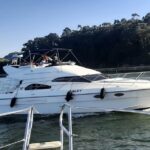
This cruise is built for a simple goal: see the Douro bridges up close without the chaos. You’re not crammed into a big vessel, and the private setup helps you keep your focus on the river views, the bridge details, and the slow rhythm of water traffic.
At about two hours, it lands in the sweet spot. You get enough time to notice the changing architecture and riverbanks, but you’re not signing up for a half-day commitment. If you’re here for a taste of Porto’s big sights plus a little downtime, this kind of outing works well.
The price is listed per group (up to 8). That matters, because the value is less about the cost per person in isolation and more about how your group size changes the math. For small groups, it can feel more like booking a treat than buying a bus ticket.
You can also read our reviews of more tours and experiences in Porto.
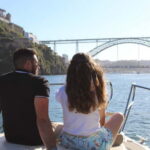
Where you meet: Marina do Freixo to a smooth start
You meet at Restaurante Marina do Freixo, at N108, 4300-316 Porto. The good part here is that it’s an easy-to-find, established marina area, and the activity ends back at the same meeting point. That “back where you started” finish means you don’t need to think about transport the moment you’re done.
Also worth noting: you get a mobile ticket, and the site is near public transportation. So even if you’re not driving, you should be able to get there without major hassle.
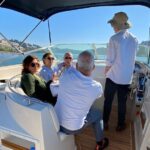
Onboard, the experience is designed for comfort. There’s a restroom on board, and the crew’s priority is safety. Several people described the ride as comfortable with careful, confident piloting, which is exactly what you want when you’re out on moving water.
Stop-by-stop: seeing Porto’s bridge story unfold on the water
The cruise moves from bridge to bridge in a clear sequence, and each span tells a different chapter of Porto and Gaia’s relationship. Don’t expect long narration. Instead, you’ll feel the shifts as you pass: different shapes, different purposes, different eras, and different “frame lines” for the city views.
The first bridge after leaving the marina
Right after you depart DA Marina (Marina do Freixo), you hit the first bridge quickly. This early moment is useful because it helps you set your bearings. You’ll start to notice how the Douro corridor opens up, how the river widens and narrows, and how bridges create natural “windows” for skyline views.
If it’s your first time in Porto, this is a smart kickoff. You’re not just seeing a landmark; you’re learning the geography at river speed.
A second stop: a railway bridge
Next comes a railway bridge. This is where the cruise gets more interesting for design-minded people. Rail bridges tend to be all about structure and span—less decorative, more functional—and you can often see how engineering choices are shaped by traffic needs rather than aesthetics.
What to watch for here: how the bridge changes the feel of the river under it. The light, the lines, and the reflections shift fast once you pass over water.
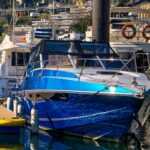
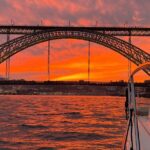
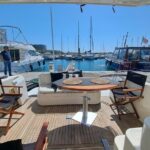
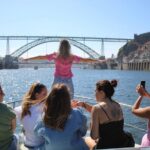
The 1877 Eiffel-designed railway bridge between Porto and Gaia
Then you reach the oldest major bridge connecting Porto to Gaia, inaugurated in 1877 and designed by Gustave Eiffel. The description matters because it’s not just old—it’s also the first railway bridge of the Douro. That gives the stop extra weight: you’re looking at an engineering milestone that helped shape how people and goods moved through the region.
As you cruise beneath and alongside, you’ll likely get a strong sense of scale. Bridges like this aren’t built to “look nice from a distance.” They’re built to last, and they show it.
The newest Porto–Gaia bridge opened in 2003
After that, the cruise shifts to the latest bridge between Porto and Gaia, opened in 2003. Going from the older Eiffel-era railway style to a modern span is one of the best parts of the itinerary, because you get a quick visual timeline.
Here’s the practical value: modern bridges often create cleaner sightlines and different reflection patterns on the water. It’s a fresh look without needing to leave the boat.
The 1886 Seyrig bridge: Porto’s symbolic view over the river
The fifth bridge is described as the most beautiful by many, and it’s inaugurated in 1886. It was designed by Théophile Seyrig, who was a disciple of Eiffel, and it’s the main symbol of Porto. You’ll also get views toward the historic center and toward the basements of Gaia.
This is one of those stops where you don’t need fancy storytelling. The bridge’s role as Porto’s symbol does the work for you: it’s instantly recognizable in spirit, and the framing from the water gives you a different relationship to the historic center than you’d get from a viewpoint on land.
If you’re hoping for a “hold it in your camera and still be impressed in real life” moment, this is the one to aim for.
The final, imposing 1963 road bridge with the concrete arch record
The last stop is the big finish: the final of six bridges, an impressive road bridge. It was inaugurated in 1963, and at the time it held the world record for the largest arch in concrete at 270 meters.
This bridge changes the mood of the ride. Railway and older engineering feel “craft-forward.” A big road span like this feels power-forward—more scale, more traffic logic, more modern infrastructure presence. As you pass it, you’ll likely notice the way the river seems to widen around the bridge’s structure.
It’s a strong ending image for your cruise, especially if you like engineering facts as much as scenery.
What’s included onboard: snacks, Lambrusco, music, and restroom comfort
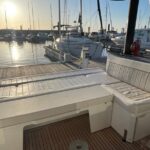
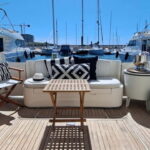
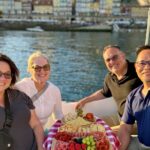
This part is simple: the cruise includes a snack table of local products plus a bottle of Lambrusco. That combination is a big deal because it keeps the experience from turning into a “sit and stare” exercise.
The snack table being local means you’re not paying for generic cruise food. It also pairs naturally with the Douro vibe. Lambrusco brings a light, easy-to-enjoy drink option, especially on a two-hour outing where you don’t want the day to become heavy.
A nice detail from the experience: you can choose the music. That’s not a small thing. It helps everyone’s group mood match the ride—whether you want calm background sounds or something livelier.
And yes, the restroom onboard matters. On shorter cruises, people sometimes think it’s optional. But even a quick “we’re not stuck” feeling reduces stress, and that lets you stay present for the bridge sequence.
How to think about the price ($319.39 per group up to 8)
Let’s talk value in a way that helps you decide fast. You’re paying $319.39 per group for up to 8 people. That price structure can be a bargain if you’re traveling with friends or family, because you’re splitting a private boat cost rather than paying per head on a larger vessel.
Even if you’re only a couple, it can still feel reasonable compared to the cost of doing multiple separate paid activities in Porto. This is one focused experience: river, bridges, snacks, and a private setup—delivered in about two hours.
Where it might not be the best fit is if you’re traveling solo and want the lowest possible cost. In that case, you’re still booking the group boat, so the per-person rate can climb fast. But if you can travel with others—or you’re celebrating something and want that “we’re together” feel—this is exactly the kind of outing that can justify itself.
Best time to go and how to enjoy the bridges without rushing
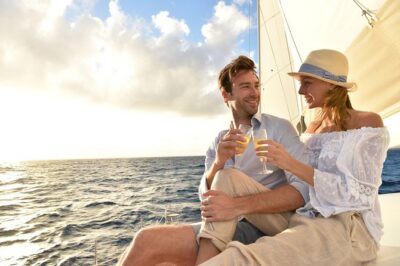
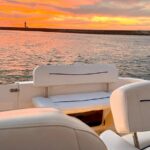
Several people called out sunset as unforgettable. That’s a solid hint for when the cruise really clicks: late afternoon light tends to make the bridge silhouettes sharper and the river reflections more dramatic.
You don’t need to over-plan, but I’d suggest choosing a departure time that fits golden hour if that option exists. If not, daytime still works, because the bridge variety is the main show. You’re passing engineering from 1877 to 2003 to 1963, and each span reads differently in different light.
Also: keep your expectations aligned with the duration. This isn’t a long, stop-and-stroll program. You’ll enjoy the views from the boat, eat your snacks, and let the river do its job. If you like short, high-impact experiences, you’ll be in the right zone.
Who this Douro bridge cruise suits best
This is a strong match for:
- Couples who want something scenic but not crowded
- Small groups celebrating a birthday or special day
- Families who want a comfortable ride with a restroom onboard
- Anyone who likes bridges, engineering, or Porto–Gaia architecture
The ride is also described as safe, with a crew that takes piloting seriously. That matters for peace of mind, especially if anyone in your group is picky about comfort.
And if you travel with a service animal, the experience allows service animals. The activity is also noted as near public transportation, which helps if you’re pairing it with other Porto plans.
Quick practical tips before you go
These are the small decisions that make the cruise feel smooth:
- Bring layers. River air can feel cooler than the city, especially in the evening.
- If you care about a particular mood, use the music option to set it early.
- Plan for good weather. If weather is poor, the experience may be offered on a different date or refunded.
No need to overpack for a two-hour sail. The focus stays on the bridge sequence and the onboard snacks.
Should you book this Porto Douro bridge yacht cruise?
Book it if you want a quiet private outing with a clear payoff: six bridges, short duration, and onboard comfort with snacks and Lambrusco. It’s also a great choice when you’re traveling with a group of up to 8 and want to share the cost while keeping the experience intimate.
Skip it only if your main goal is walking tours or museum time. This is a river cruise first. You’ll get the Porto-and-Gaia story through water-level views, not through long stops on land.
If you’re aiming for an authentic, relaxing Porto moment that feels special without being complicated, I think this one earns a spot on your plan.
FAQ
How long is the Douro river yacht cruise?
The cruise lasts about 2 hours.
What’s the meeting point in Porto?
You meet at Restaurante Marina do Freixo, N108, 4300-316 Porto, Portugal.
Is this a private tour?
Yes. It’s a private experience, and only your group participates (up to 8 people).
What’s included in the price?
The price includes a snack table of local products, a bottle of Lambrusco, and a restroom on board.
Can I choose music during the cruise?
You can choose the music, based on how the experience is described by previous participants.
What happens if the weather is bad?
This experience requires good weather. If it’s canceled due to poor weather, you’ll be offered a different date or a full refund.