REVIEW · PORTO
Private Porto Sailing Yacht Sunset Sightseeing Tour
Book on Viator →Operated by Don't Worry · Bookable on Viator
Porto looks better from water. This private sunset sailing cruise works because you get classic city sights from a new angle, and you finish with the light dropping over the Douro Estuary. I especially like the easy, attentive crew vibe that keeps the experience smooth, plus the included Porto wine and sunset snacks that make the whole thing feel like a real evening plan.
There is one catch: at sunset the air can cool fast, so bring a layer and plan to be comfortable as the light shifts.
In This Review
- Key things that make this cruise worth your time
- Porto Sunset Sailing From Gaia: The Big Picture
- The Cruise Segment: Douro Marina to Downtown Porto, Then Sunset Over the Estuary
- Afurada (São Pedro da Afurada): Fishing Traditions and Seafood Energy
- Arrábida Bridge: A Mid-20th-Century Engineering Landmark Over the Douro
- Massarelos Church and the Brotherhood Legend Tied to Prince Henry
- Alfândega Building: The Customs House That Shaped Porto’s Trade
- Cais de Gaia: Rabelo Boats, Port Wine Cellars, and Riverfront Life
- Praça da Ribeira: Medieval River Square and Why Water-Level Views Matter
- Luís I Bridge (Ponte Dom Luís I): UNESCO Crossing and a Sailor’s View of Structure
- São Miguel o Anjo Lighthouse: Renaissance-Era Landmark and Bird Migration Context
- Price and Logistics: When $650 for Up to 10 Makes Sense
- What You Actually Get Onboard: Included Drinks, Snacks, and the Human Touch
- How to Dress and Plan for a Two-Hour Sunset Sail
- Should You Book This Porto Sailing Yacht Sunset Tour?
- FAQ
- How long is the private Porto sailing sunset tour?
- How many people can be in a private group?
- Where do we meet for the tour?
- Is the tour offered in English?
- What’s included in the price?
- What if the weather is poor?
Key things that make this cruise worth your time
- Private group (up to 10) with a dedicated, certified crew so the pace stays relaxed
- Sunset timing from the Douro for photos that feel like real postcards
- Landmarks you usually only see from land: the Ribeira waterfront, Luís I Bridge, and more
- Gaia’s port-wine world from the water at the Cais de Gaia area
- A nature and bird angle near the São Miguel o Anjo Lighthouse and the Douro Estuary reserve
Porto Sunset Sailing From Gaia: The Big Picture
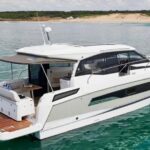
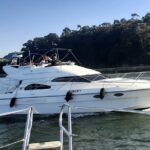
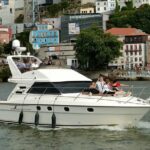
This is a two-hour sailing-style sightseeing trip that starts at the Douro Marina and then takes you through the best known river views around Porto and Vila Nova de Gaia. You get the fun of being out on the water, without needing to be an expert on boats or waves. And you’re not stuck with one photo spot either. You’re moving, which usually means more angles and more “how is this so beautiful” moments.
I like that it is private. If your group is a couple, friends, or family, you get a focused experience rather than sharing every minute with strangers. You also get a welcome drink and sunset snacks onboard, which makes the time feel like an actual outing, not just transit between viewpoints.
One practical point: because the cruise is about sunset, it’s best to dress like you’ll be outside for a while. Even if you start warm, it can cool down as the sun drops.
You can also read our reviews of more tours and experiences in Porto.
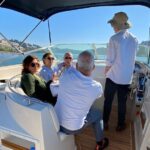
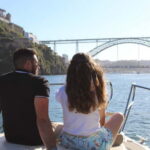
The Cruise Segment: Douro Marina to Downtown Porto, Then Sunset Over the Estuary
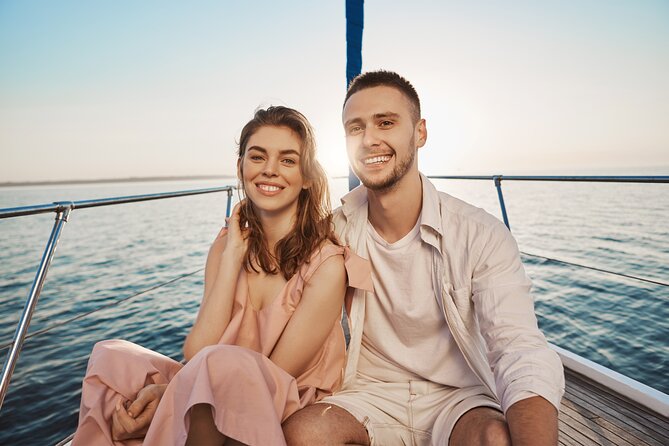
The core of the tour is the water route itself: you sail from the Douro Marina toward downtown Porto, passing iconic views along the way. From the deck, you’ll see the riverfront geometry of Porto and Gaia in a way you just can’t get from street level. The perspective matters. Rivers create curves, and those curves create composition for photos and slow watching.
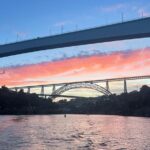
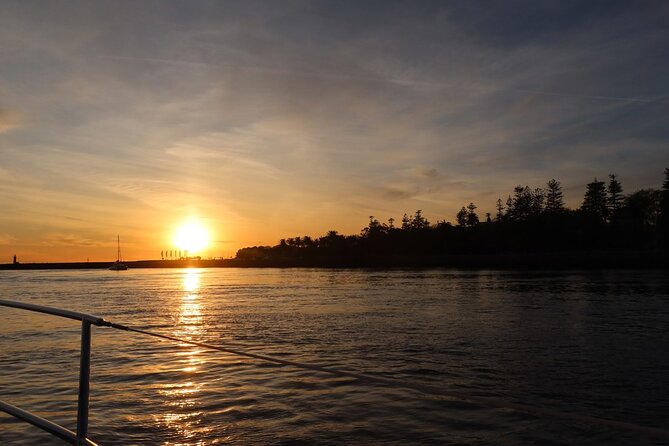
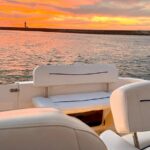
On the return side, you shift toward the Douro Estuary for the sunset. That’s the payoff moment. Sunset on a river has a different feel than sunset on a beach. Reflections spread across the water, and the bridges and buildings look layered instead of flat.
If you want the smoothest experience, arrive with a plan for your photos: once you’re out there, you’ll want to capture shots without constantly sprinting across the boat. The tour is short, so treat it like a moving viewpoint, not a long sightseeing bus day.
Afurada (São Pedro da Afurada): Fishing Traditions and Seafood Energy
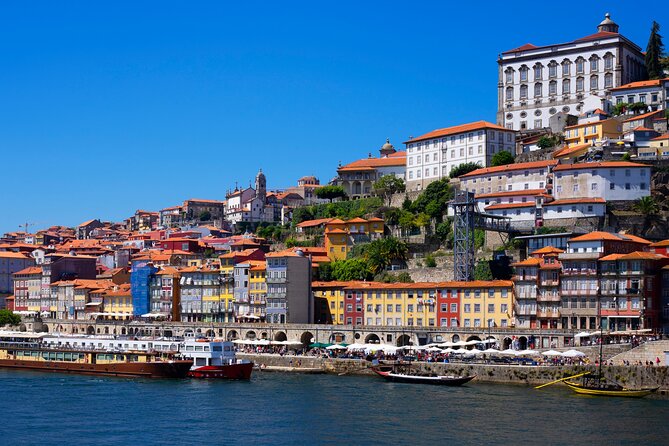
Afurada is a real-feeling fishing village in Vila Nova de Gaia, and it shows. Even without stepping fully into the streets, the area’s identity comes through because it is built around fishing traditions and the seafood restaurants people come for.
This neighborhood also ties into calendar-based fun: Afurada is known for patron saint celebrations for Saint Peter on June 29. If you’re visiting around that time, you might find the atmosphere louder and more festive, because the area leans into its roots.
A little historical flavor adds context. The area was once referred to as Furada in royal charters dating back to 1288 and 1518, tied to the sandbank being suited for fishing. That helps you understand why this corner of Gaia looks and functions differently than the more modern port side.
The only consideration here is simple: if your goal is deep walking around Afurada, this cruise is not that. It gives you views and presence of the place, but you still won’t replace a separate time on foot.
Arrábida Bridge: A Mid-20th-Century Engineering Landmark Over the Douro
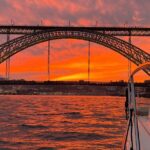
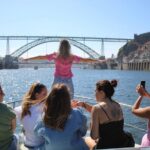
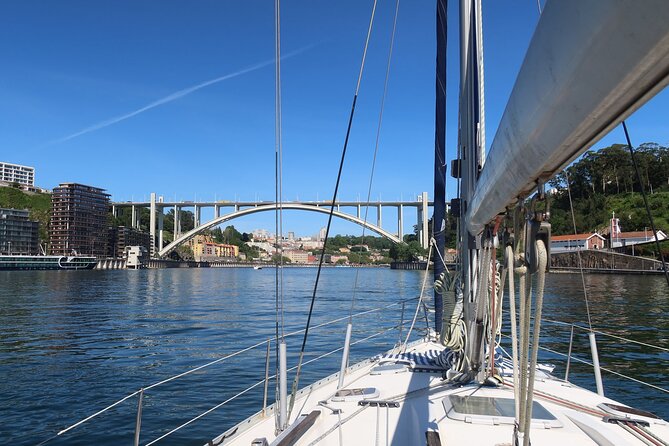
The Arrábida Bridge was completed in 1963 and is the first bridge spanning the Douro River from the mouth. When you see it from the water, it’s not just a crossing. It’s a scale cue. It reminds you how wide and busy this river corridor is, and how much of daily life in Porto and Gaia is shaped by bridges.
It also has a technical bragging right: when it was completed, it held the world record for the largest reinforced concrete arch. That detail matters because it’s one of those rare monuments where you can look at it and understand it isn’t only aesthetic. It’s engineering you can actually track with your eyes.
From a visitor point of view, the best part is the angle. Bridges create strong lines in a river scene, and you’ll see those lines interact with the water surface as the boat moves.
Tip: if you care about photos, be ready when the route gets near major structures. The tour duration is about two hours, so the most photogenic moments likely pass faster than you expect.
Massarelos Church and the Brotherhood Legend Tied to Prince Henry
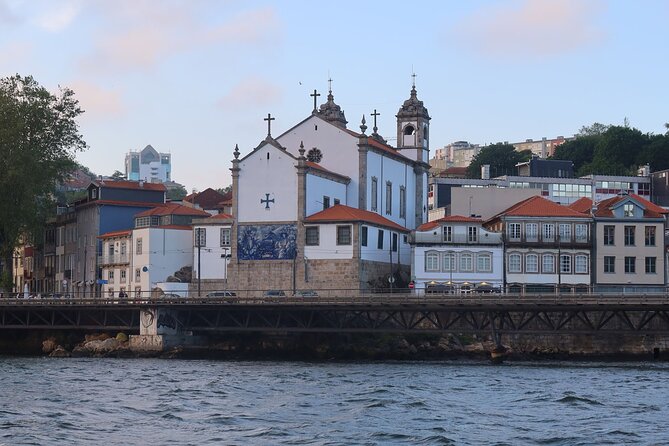
One of the more story-rich stops is the church connected to the Brotherhood of the Souls of the Holy Body of Massarelos. According to tradition, it was founded in 1394 by sailors returning from England who survived a violent storm. That kind of legend fits Porto’s maritime DNA, and it makes the church feel like more than architecture.
The connection to Prince Henry the Navigator is also part of the tradition. If you’re into Portugal’s Age of Discovery era, you’ll appreciate that the church’s rear façade has a striking tile panel depicting the Age of Discovery, including an image of Prince Henry.
The church itself was built in 1776 on the site of an earlier temple. From the water, you’re not reading every detail at arm’s length, but you still get the sense of the site’s role in Porto’s sailor history. And since this tour focuses on the water route, a maritime legend anchored to a visible building becomes part of the cruise narrative.
Possible drawback: if you prefer big, obvious “must-see” monuments only, this stop may feel more subtle. The payoff is in the stories and the visual tile panel rather than the size of the structure.
Alfândega Building: The Customs House That Shaped Porto’s Trade
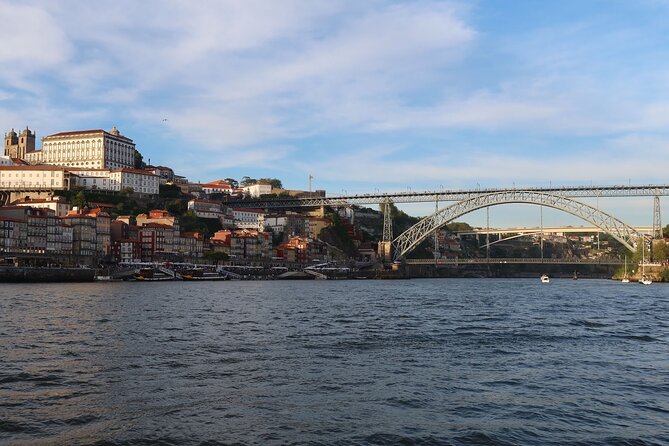
The Alfândega building was constructed in the second half of the 19th century, designed by French architect Jean Colson. It was built to match Porto’s growing commercial activity and includes a vast quay platform built to support the Customs House.
There’s a transportation link too. In 1888, a railway branch connected it to Campanhã Station, making goods movement more efficient. That is a useful detail because it turns the building from a pretty riverfront structure into something you can picture as a working node in a trading system.
Today, the building houses a Conference Center and the Museum of Transport and Communications. Even if you don’t go inside on this specific outing, the idea is clear: this part of the waterfront is about how people and cargo moved, not only how they looked.
From your seat on the water, the best value is perspective. You get a sense of the scale of the quay and the port-side layout without having to navigate the area on foot right away.
Cais de Gaia: Rabelo Boats, Port Wine Cellars, and Riverfront Life
Cais de Gaia is a key historical area for Porto and Vila Nova de Gaia, especially because of port wine. This is where Rabelo boats once docked, carrying wine barrels from the Douro Valley to cellars in Gaia. When you hear that, the area starts making sense as a corridor: it was built for movement of goods, and the waterfront still carries that legacy.
Today, Cais de Gaia is one of the places tied most closely to Port wine tastings, guided tours, and cultural events. Even if you’re not stepping into a cellar during the cruise, you can connect the dots from what you see outside: the waterfront is set up for visitors, and the trade identity still powers the area.
In the warmer months, you may also catch musical performances in the waterfront squares and leisure areas. That matters because it helps you plan your day. If you come in summer, pairing this cruise with later time in Gaia can work well.
The only caution is time. A two-hour cruise won’t replace a cellar tour. Think of it as the on-water introduction that makes the later tastings feel more meaningful.
Praça da Ribeira: Medieval River Square and Why Water-Level Views Matter
Praça da Ribeira sits right on the Douro River’s edge and is among Porto’s oldest and most famous squares. It’s also part of the UNESCO-listed Historic Center, which is one reason people keep returning here for the river views.
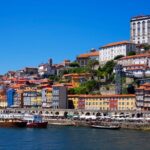
From the cruise, Ribeira shines because you’re seeing the square as part of the river system, not as a standalone street scene. The buildings, terraces, and restaurant lines all stack visually when you watch them from the water. That water-level view helps you understand why Ribeira became such a landmark: it’s built to face the river.
You’ll likely notice how lively the area is around meal times. The fact that the square has restaurants, cafés, and terraces isn’t just a detail; it’s why the riverfront feels alive even when you’re not in the busiest hour.
Potential drawback: this is a popular area on land. If you’re hoping to avoid crowds completely, you may still find the waterfront busy during your later walk. The cruise itself is the quiet escape from the street energy.
Luís I Bridge (Ponte Dom Luís I): UNESCO Crossing and a Sailor’s View of Structure
The Luís I Bridge is one of Porto’s most iconic landmarks, designed by Belgian engineer Théophile Seyrig and built between 1881 and 1886. It was recognized as a UNESCO World Heritage Site in 1996, and when you see it from the river, you understand why.
There’s also a useful nautical detail: the lower deck sits low above the waterline, so larger sailboats can’t pass under it. That’s interesting because it shows how this bridge controls the river’s traffic pattern, even now.
When you watch it during the cruise, you get a strong sense of the bridge’s engineering and the way it frames city views between Porto and Gaia. Bridges also make excellent photo backdrops. The curve of the river plus the bridge’s lines often creates that “I can’t believe this is real” feeling.
One practical note: because the tour is limited to about two hours, you’ll want to keep your phone or camera ready when the boat approaches major crossings. Those moments can be brief.
São Miguel o Anjo Lighthouse: Renaissance-Era Landmark and Bird Migration Context
At the mouth of the Douro River, the São Miguel o Anjo Lighthouse was built in 1528, making it one of the oldest surviving lighthouses in Europe and the oldest in Portugal. It’s also noted as an early Renaissance-style building in the country.
From a visitor standpoint, a lighthouse is a strong visual anchor. It gives the river a sense of arrival, the same way it once guided ships in and out. When you pair that with the cruise’s sunset timing, it becomes more than a landmark. It becomes a closing scene.
Across the river is the Douro Estuary Local Nature Reserve, a crucial habitat for birds. The reserve is a stop along the East Atlantic Flyway, a major migratory route between Europe and Africa. Even if you’re not counting birds like a specialist, knowing that birds rely on this exact stretch can change how you watch the water and shoreline.
Possible drawback: this is more of a viewpoint stop than a “stand and watch wildlife for hours” moment. If birdwatching is your main goal, you’ll likely want extra time on land on a different outing.
Price and Logistics: When $650 for Up to 10 Makes Sense
The price is $650.22 per group for up to 10 people, for about two hours. That can look steep until you do the math. If you fill the group capacity, you’re effectively paying around $65 per person, which is often reasonable for a private, on-the-water experience with an included drink and food.
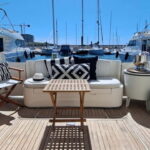
The value improves because the tour includes real extras: a welcome drink (a glass of Porto wine or a non-alcoholic soft drink), bottled water, and snacks, drinks, and appetizers timed for sunset. You also get a fully certified crew, a dedicated crew, and insurance. In other words, you’re not just renting time on water; you’re booking a managed experience.
I also like that the crew approach seems tuned to your day. In past experiences, people have noted that the skippers are attentive and easy to communicate with, and there’s even an option to bring your own music and snacks. That’s a big deal if you’re celebrating something or just want the vibe to feel like yours.
When it might not be the best fit: if you’ll only have two people in a group, you’re paying the full group price, so the per-person cost rises fast. In that case, you’ll want to be sure you truly want a private setup rather than sharing with others.
What You Actually Get Onboard: Included Drinks, Snacks, and the Human Touch
You’ll start with a welcome drink onboard: a glass of Porto wine or a non-alcoholic soft drink. Then the sunset part comes with snacks and appetizers, plus drinks and bottled water. This matters because it reduces decision fatigue. You’re not trying to time food and drinks while you’re also watching landmarks.
The crew experience is also a core part of the value. People have described the skippers as professional, friendly, and attentive, including helping with photos. That is not a small thing. On a moving boat, the ability to get the photo right without awkward scrambling can make the difference between a fun memory and a missed shot.
One small planning detail: additional drinks and snacks can be requested onboard, but they’re not included by default. So if you know you want more, go in mentally ready to top up rather than assuming everything is covered.
How to Dress and Plan for a Two-Hour Sunset Sail
Do these and you’ll feel comfortable from start to finish.
- Bring sunscreen, even if you think you’ll only be out near evening.
- Wear comfortable shoes. You’ll likely want stable footing around the marina and on the deck.
- Plan for a temperature drop at sunset. A light jacket or layer is smart.
- Think about timing. This is a sunset experience, so be ready for cooler air late in the cruise.
It’s also a good idea to have your mobile ticket ready. Service animals are allowed, and the meeting point is near public transportation, which helps if you don’t want to deal with parking.
Should You Book This Porto Sailing Yacht Sunset Tour?
Book it if you want a private, on-water way to see Porto and Gaia without sprinting between viewpoints. This is a strong choice for couples, friends, and groups up to 10 who care about the sunset feel and want a guided cruise that mixes landmark passes with city context.
Skip or rethink it if you expect a long, in-depth shore excursion. This is about the river views and the arc of the evening, not about hours of walking. If you want museums and wandering time, you’ll still need to pair the cruise with land time.
If you’re booking, I’d plan ahead since it gets reserved early. And when you do go, aim for a relaxed mindset. This tour works best when you treat it like a moving viewpoint with snacks and a drink, not a checklist sprint.
FAQ
How long is the private Porto sailing sunset tour?
It lasts about 2 hours.
How many people can be in a private group?
It’s private, and the group size is up to 10 people.
Where do we meet for the tour?
You meet at Don’t Worry, R. da Praia 430, Marina da Afurada, pontão D, 4400-554 Vila Nova de Gaia, Portugal.
Is the tour offered in English?
Yes, it’s offered in English.
What’s included in the price?
You get a welcome drink onboard (a glass of Porto wine or a non-alcoholic soft drink), snacks plus drinks and appetizers at sunset, bottled water, a fully certified crew and vessel with dedicated crew, and insurance.
What if the weather is poor?
This experience requires good weather. If it’s canceled due to poor weather, you’ll be offered a different date or a full refund. You can also cancel for a full refund up to 24 hours in advance.