REVIEW · REYKJAVIK
Whale Watching Cruise on a Yacht in Reykjavik
Book on Viator →Operated by Iceland Discover · Bookable on Viator
Whales show up when you’re ready to look. This 3-hour yacht cruise from Reykjavík’s Old Harbour takes you out through Faxaflói Bay and along the Reykjavík coast, with an onboard guide helping you read whale behavior instead of just hoping for luck. I love that the ride is built around real wildlife watching, not a quick “pass-by and done” photo stop.
My second favorite part is the comfort angle: you can choose warm indoor space when the wind bites, then rotate back out to the viewing decks when you spot movement. One possible drawback to plan for: whale sightings are never guaranteed, and winter and choppy days can mean long searches before you see anything.
In This Review
- Key things you’ll enjoy
- From Old Harbour out to Faxaflói Bay: how the cruise really works
- What animals you can realistically expect to see
- Reykjavík landmarks from the water: Harpa and the city’s edge
- The island views: Engey, Lundey, and Viðey
- Boat comfort and winter reality: staying warm without missing the view
- The guide role: what onboard spotting actually adds
- Price and value: is $102 for three hours fair?
- Who this cruise is best for (and who should consider other options)
- Practical tips before you go
- Should you book this Reykjavík whale watching yacht cruise?
- FAQ
- How long is the whale watching cruise?
- Where does the cruise depart from?
- What’s the price per person?
- What languages is the tour offered in?
- What kinds of whales and marine animals might I see?
- Is a free return cruise offered if I don’t see whales?
- What happens if weather is poor?
- What is the cancellation window for a full refund?
Key things you’ll enjoy
- A real scan of Faxaflói Bay and the Reykjavík shoreline, not just a short harbor loop
- Onboard wildlife spotting help, so you know what you’re seeing and why it matters
- Landmark views from the water, including Harpa’s iconic glass facade
- Island stop-by-views near Engey, Lundey, and Viðey, with big scenery even when whales stay quiet
- Extra value if your trip comes up empty, since a free return cruise is offered when whales aren’t seen
From Old Harbour out to Faxaflói Bay: how the cruise really works

Your trip starts at Old Harbour House in central Reykjavík, the kind of meeting point that keeps your morning simple. Once you’re aboard, the yacht heads out from the Old Harbour area and you start working your way through Faxaflói Bay, plus the coastline nearer Reykjavík. The big idea here is time on the water while the team searches systematically for whales.
For you, that matters because whale watching isn’t just “find whales.” It’s about finding the right conditions—where animals are feeding, breathing, and moving through the bay. The schedule is only about three hours, so operators that do a thoughtful route and keep looking (instead of rushing back early) tend to produce the best outcomes.
You’ll also get a moving viewpoint. Even when the wildlife window is slow, you’re still cruising past islands and open water where you can spot surface activity, spouts, and the telltale wake lines that show something is there.
You can also read our reviews of more tours and experiences in Reykjavik.


What animals you can realistically expect to see
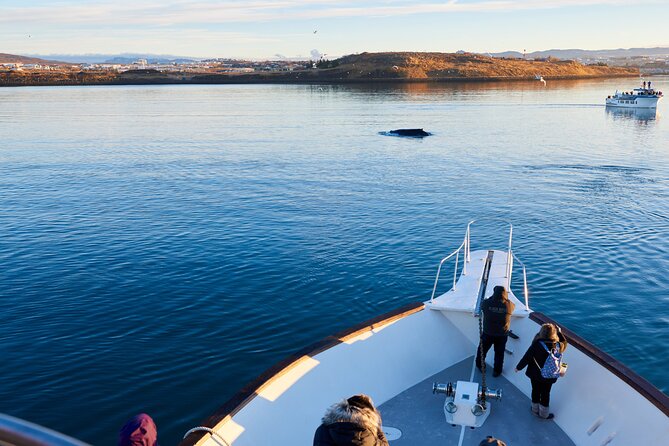
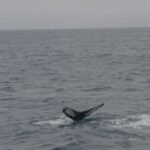
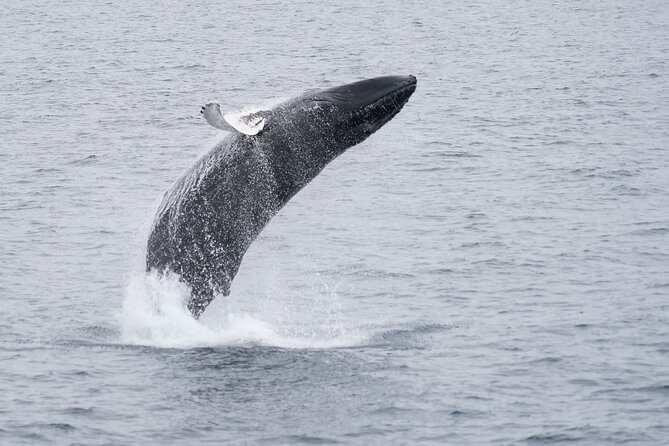
The most common sightings on this route are minke and humpback whales, plus dolphins and porpoises. That’s the sweet spot for a lot of Icelandic whale watching trips, and it’s not just marketing language—these species show up in the broader Faxaflói Bay area often enough to make this a worthwhile bet.
Here’s the useful part: the onboard guide isn’t there just for stories. You’ll learn what whale behavior looks like, which helps you stay calm when you only see a few moments of action. A humpback can be a slow-burn experience—breathing, settling, and then suddenly appearing close to the boat for a surfacing or a tail movement. When you understand that pattern, you spend less time squinting and more time reacting.
There’s always a chance of rarer excitement too. Orcas (killer whales) can happen on this route, though they’re not guaranteed. And even if whales are quiet, the bay can still deliver dolphins or porpoises moving through the surface zone.
One review theme came through strongly: people were thrilled by multiple sightings—whales appearing more than once during the same cruise window. That’s a good sign you’re not just catching a single random moment.
Reykjavík landmarks from the water: Harpa and the city’s edge
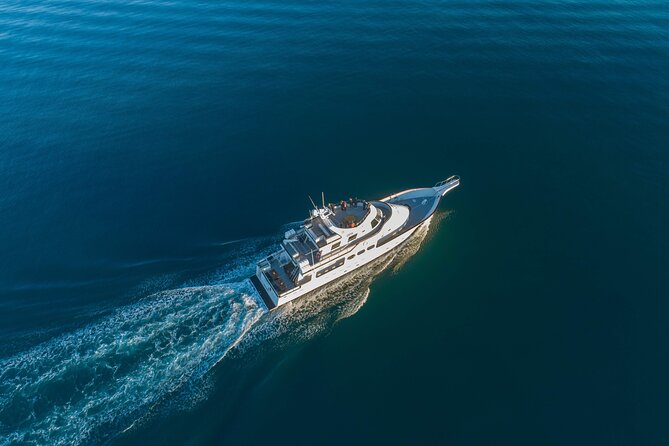
One of the nicest surprises about this cruise is that you don’t lose the Reykjavík “wow” while you’re looking for wildlife. As you cruise, you’ll pass viewpoints that line up well with the city’s waterfront character, including Harpa, the concert hall and conference centre with the distinctive colored glass facade inspired by Iceland’s basalt landscape.
From a water-level angle, Harpa feels different than it does from the street. You get the geometry of the building and the way the glass picks up shifting light from the bay. Even if whales stay distant, this gives your camera (and your brain) something to focus on besides the ocean.
The island views: Engey, Lundey, and Viðey
You won’t just stare at open water for three hours. The itinerary includes cruising past or near several islands that help shape the bay’s wildlife habitat and scenic drama.
Engey is the second largest island in the Kollafjörður fjord (Faxa Bay). It’s close enough to feel like part of the journey, not just a dot on the map. When you’re watching for whales, nearby islands matter because they can relate to where currents and feeding activity bring marine life into view.
Lundey means Puffin Island. Even if you don’t go bird-spotting in a dedicated way, the name alone gives you context for why this area is important for marine wildlife. It’s also one of those spots that makes the bay feel lived-in by nature.
Viðey is the largest island in the Kollafjörður Bay near Reykjavík. It’s another visual anchor as the boat works its way across the bay. On days when whales aren’t showing much, these island perspectives still deliver value: you’re watching a living coastline, not a blank stretch of sea.
And one more practical distance note: from this general area, you may be able to see the peninsula of Akranes and, at a distance of about 120 km, even Snæfellsjökull. Visibility varies with weather, but when it’s clear, that far-off glacier silhouette is the kind of background you’ll remember.
Boat comfort and winter reality: staying warm without missing the view
This is Iceland. Even in better months, the wind can turn your cheeks into sandpaper fast. Reviews and practical experience around Reykjavík whale cruises point to one clear rule: dress for being on deck for a while, even if you also plan to warm up inside.
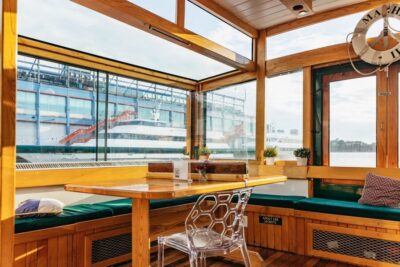
You’ll have places to sit both indoors and outside. Many departures are set up so you can rotate—go out when you see movement, then duck into the cabin when the chill gets intense. One review specifically noted that the boat can feel colder than land by a significant margin, which matches what you’d expect when you’re exposed to sea wind.
A few smart packing tips:
- Wear multiple layers and plan for wet spray risk if the sea gets rough.
- Bring gloves. If you forget, you can often warm back up inside, but you won’t enjoy scanning the water as much.
- If you get motion sick easily, consider bringing your own plan. Some people report the crew provides sea-sick pills on choppier days.
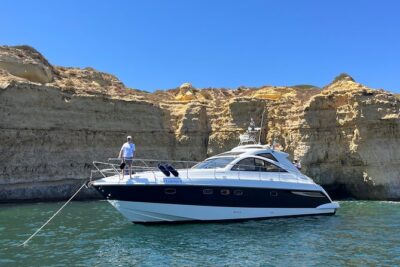
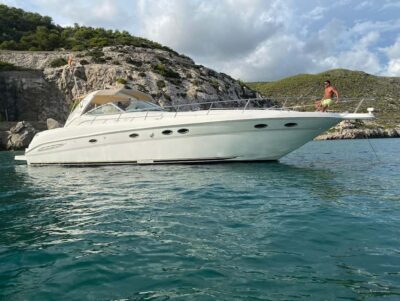
Boat size and design can affect comfort. Some passengers described an older yacht-style setup with a smaller upper deck area, which can limit where you can stand or sit when it’s busy. If you’re picky about watching from the highest platform, show up early enough to find a good spot before the boat fills up.
Also pay attention to sea conditions. Reviews include both calm-water days and rougher winter outings where the yacht bounced and waves soaked people. That’s not a reason not to book, but it is a reason to treat whale watching here like a coastal experience: weather changes fast.






The guide role: what onboard spotting actually adds
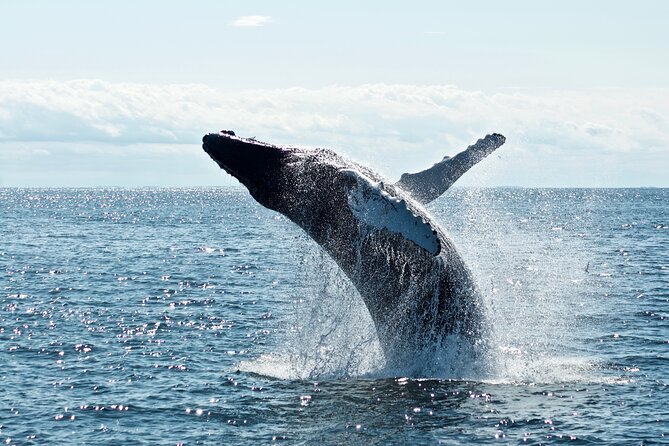
A great guide doesn’t just point at water. They help you understand whale “tells”—how spouts form, how breathing patterns work, and why whales can surface close to you one minute and then be gone the next.
You’ll likely get frequent wildlife updates while the crew searches. When sightings happen, you can expect the team to try to keep you in the action long enough for multiple moments, not just one quick glance and back to harbor. That’s a big part of why many people rated this trip highly: they felt the crew stayed with the search and waited for more than a single brief appearance.
One other point worth mentioning: good operations maintain a respectful viewing distance. Several reviews praised the way the boat stayed back and didn’t push the animals for thrill shots. For you, that means a more peaceful experience and better viewing time, since whales aren’t being harassed.
Price and value: is $102 for three hours fair?
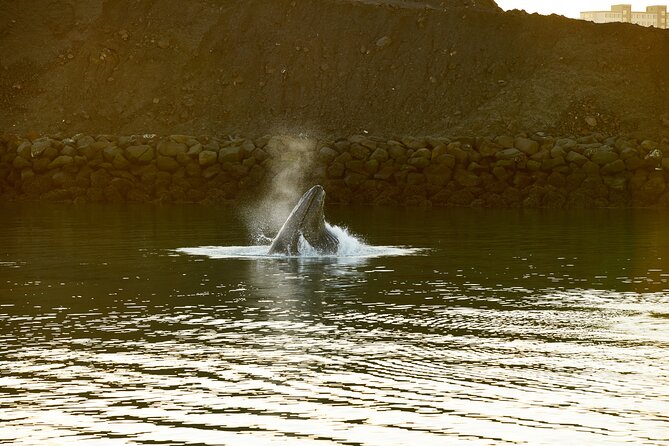
At $102 per person for about three hours, this is not the cheapest activity in Reykjavík—but it is in the “worth it” category for many people. Why? Because you’re paying for three things at once:
1) Time on the water during a short Iceland trip window
2) A boat set up for wildlife viewing (indoor warmth + deck time)
3) A crew that actively searches and helps you interpret what you see
Whale watching has an unavoidable variable: whales might not show. That’s where the value math gets tricky. The good news is the tour highlights a free return cruise if you don’t see whales, which turns the risk from total loss into a potential do-over. Even if your first trip is quiet, you’re not left feeling like you paid for nothing.
Still, I’d be realistic. One lower-star experience called out how the search sometimes felt repetitive and how other boats reportedly found animals elsewhere. That’s the nature of “live wildlife” tours, but it’s also a reminder to choose a departure time that fits your schedule and to dress well so you enjoy the experience even during slower stretches.
If you’re coming to Iceland for the single “must do” wildlife outing, this cruise is a strong candidate. If you’re going in the dead of winter with a short stay, it becomes even more important to manage expectations: you’re buying effort and time, not a guaranteed whale.
Who this cruise is best for (and who should consider other options)
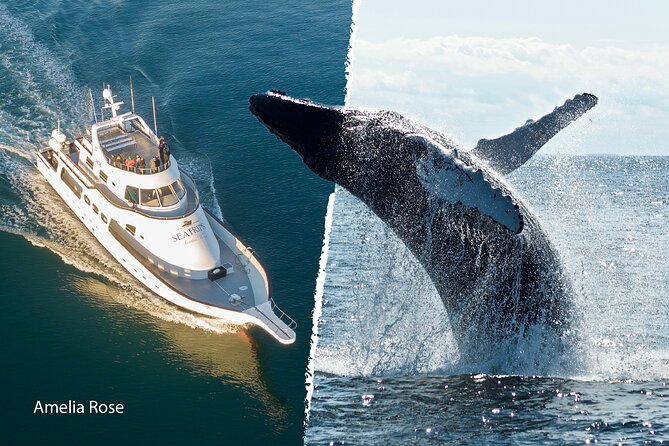
This is a great fit if you want:
- A classic Reykjavík whale watching outing that’s not rushed
- Multiple chances for sightings (not just one quick look)
- A comfortable boat with indoor shelter for Iceland weather
It’s also a solid choice if you’re traveling with kids who can handle 3 hours of scanning—several reviews mention families and highlight that the crew kept the experience engaging, including when sightings took time.
Consider other options if:
- You hate motion and rough seas. Reviews mention the boat bouncing and waves soaking passengers on choppier days.
- You want guaranteed close-up action. Faster boats are often described as getting closer to the excitement, while this type of yacht-focused cruise may prioritize comfort and respectful distance over speed.
For most people, the sweet spot is this: you want a calm, scenic cruise with real wildlife potential, plus a guide who helps you look smarter.
Practical tips before you go
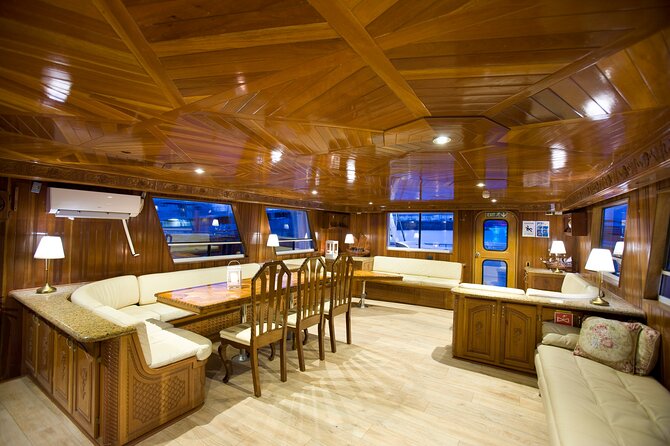
If you want your odds (and your comfort) to be higher, these are the moves that make a difference:
- Dress like it’s colder than you think. Sea wind is real.
- Bring gloves and a hat. Your hands will thank you during long scanning moments.
- Give yourself time to board early enough to pick a viewing spot.
- Keep your expectations flexible. Sometimes whales appear after a wait. If you treat it like a “still hunt,” it’s more fun.
Also, remember you’re not just viewing nature. You’re watching animal behavior. Once you catch the rhythm, even a slow start feels meaningful.
Should you book this Reykjavík whale watching yacht cruise?
Yes, if you want a classic Reykjavík coastal wildlife experience with a comfortable yacht, plenty of deck time, and a guide who helps you understand what’s happening on the water. The $102 price becomes easier to justify when you factor in the chance at multiple whale sightings, the indoor warmth, and the free return cruise promise if your first outing doesn’t deliver.
I’d only hesitate if your top priority is guaranteed whale action in any sea state. You’re booking nature, not a theater show. But if you’re willing to dress for the wind and enjoy the hunt, this cruise is one of the best ways to experience Iceland’s ocean side while still soaking in Reykjavík’s waterfront landmarks.
FAQ
How long is the whale watching cruise?
It runs for about 3 hours.
Where does the cruise depart from?
It departs from Old Harbour House (Ægisgarður 2, 101 Reykjavík, Iceland) and returns there.
What’s the price per person?
The price is $102 per person.
What languages is the tour offered in?
The tour is offered in English.
What kinds of whales and marine animals might I see?
Common sightings include minke and humpback whales, plus dolphins and porpoises. Orcas are also possible.
Is a free return cruise offered if I don’t see whales?
Yes, the experience highlights a free return cruise if you don’t see whales.
What happens if weather is poor?
The experience requires good weather. If it’s canceled due to poor weather, you’ll be offered a different date or a full refund.
What is the cancellation window for a full refund?
You can cancel up to 24 hours in advance for a full refund. If you cancel less than 24 hours before the start time, the amount paid is not refunded.