REVIEW · ISTANBUL
Private Yacht Cruise on The Bosphorus in Istanbul
Book on Viator →Operated by Istanbul Express Travel · Bookable on Viator
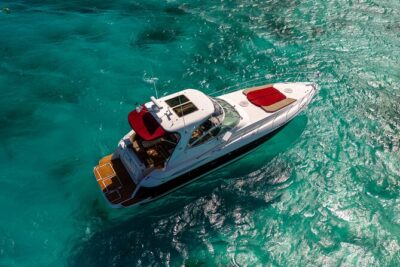
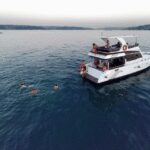
A Bosphorus cruise turns Istanbul into a movie set. This private luxury yacht ride gives you Bosphorus Bridge energy without the crowds, plus big waterfront views of Dolmabahçe Palace, Galata Tower, Çırağan Palace, and Kız Kulesi (Maiden’s Tower). I especially like the on-board comfort for a group up to 15 and the way staff share the key sights, then let you enjoy the trip. One drawback to plan for: it’s about 1 hour, so you’ll want your camera ready and your attention focused.
You start in Karaköy near Akın Balık Karaköy and end back there, which is nice if you don’t want to reorganize your evening. You’ll also get coffee/tea, bottled water, and Wi‑Fi on board, and the cruise runs in English. Do note one practical risk: day-of cancellations can happen, and when communication is slow, your plans suffer fast.
In This Review
- Key points before you go
- A 1-hour private yacht cruise that keeps the focus on the scenery
- Where you meet in Karaköy (and how to avoid the first hassle)
- Golden Horn shores: where old trade routes made Istanbul money
- Bosphorus Strait: Asia and Europe in one glide
- Galata Tower from the water: fire observatory to skyline landmark
- Maiden’s Tower legend (Kız Kulesi) at water level
- Dolmabahçe Palace and Çırağan Palace: Ottoman splendor, viewed as waterfront architecture
- Ortaköy and the Bosphorus Bridge: the busy crossing you can feel
- Beylerbeyi Palace under the bridge: a summer residence with style
- Galata Bridge and the Golden Horn vibe at a glance
- What’s included on board (and what you should plan to bring)
- Staff style and how the cruise feels in real time
- Price and value: $186.04 per group for up to 15 people
- Who should book this Bosphorus yacht cruise
- Before you book: the one risk worth thinking about
- Should you book this private Bosphorus yacht cruise?
- FAQ
- How long is the Bosphorus private yacht cruise?
- What is the price and group size?
- What language is the experience offered in?
- What’s included on board?
- Can I bring alcohol?
- Where do we meet and how does it end?
Key points before you go
- Private yacht time (group up to 15): a more relaxed way to see the Bosphorus than stacked public tours.
- Icon views from the water: palaces, towers, and the bridge are easier to judge and photograph afloat.
- Legend stops without extra walking: Kız Kulesi and Galata Tower are best enjoyed with minimal effort.
- Helpful pacing: staff focus on the sights, then give you space to cruise.
- Bring-your-own alcohol: alcohol isn’t included, so decide what you want before you board.
A 1-hour private yacht cruise that keeps the focus on the scenery
If you only have a short window in Istanbul, this kind of Bosphorus cruise is one of the cleanest ways to get context. From the water, Istanbul’s two continents stop feeling like a map idea and start feeling real. The Bosphorus is also a living waterway, with different water flows that shape what you see and how the cruise feels—currents on the surface and underwater counter-currents are part of the story of this strait.
What makes this experience work is the blend of “big landmarks” and “minimal effort.” You don’t have to hike uphill viewpoints or squeeze into photo lines. You’re seated on a luxury yacht, moving steadily past places you’d otherwise reach by hopping ferries or timing buses.
The trip is about an hour, so I treat it like a concentrated highlight reel. If you’re the type who loves reading about palaces and towers but also hates feeling rushed on a walking tour, this is a good fit.
You can also read our reviews of more tours and experiences in Istanbul.

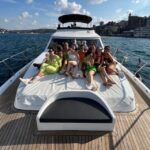

Where you meet in Karaköy (and how to avoid the first hassle)
The meeting point is in Karaköy: Akın Balık Karaköy, Arap Cami area on Fermeneciler Cd. No:40/A, 34420 Beyoğlu/İstanbul. The good news is you end back at the same spot, so you don’t have to figure out late-night transit after you step off the boat.
Since this is a private group activity (only your group participates), your “arrival choreography” matters more than usual. I’d get there early enough to handle the small stuff: finding the dock area, getting your mobile ticket sorted, and settling before departure. The tour uses a mobile ticket and is offered in English, so keep your confirmation handy.
One more practical note: it’s near public transportation. That’s helpful if you’re already in Beyoğlu / Karaköy for dinner.
Golden Horn shores: where old trade routes made Istanbul money
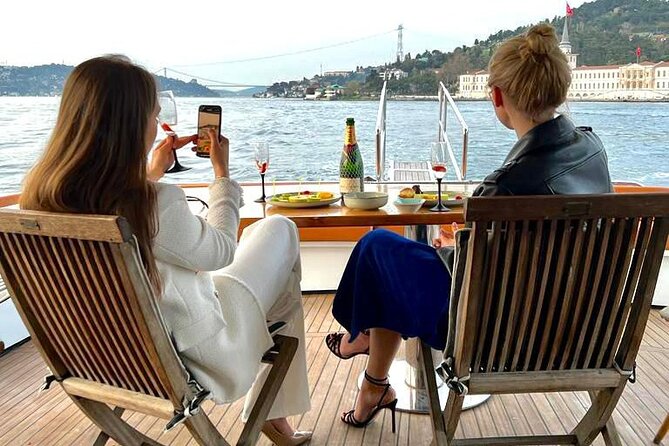
The cruise begins with the shores of the Golden Horn, the horn-shaped inlet on the historical peninsula. Even if you’ve seen photos of Istanbul’s skyline, it’s hard to understand the Golden Horn as a working place until you’re looking at it from the water.
Why it matters: the Golden Horn wasn’t just pretty waterfront. It’s described as one of the most important old trade centers of Istanbul. That means your “scenery lens” changes. You start spotting areas as possible routes and hubs, not just views.
If you’re the kind of traveler who likes to connect the dots, this is a great first stretch. It sets the tone: Istanbul’s waterfront isn’t decorative—it’s functional and historic.
Bosphorus Strait: Asia and Europe in one glide
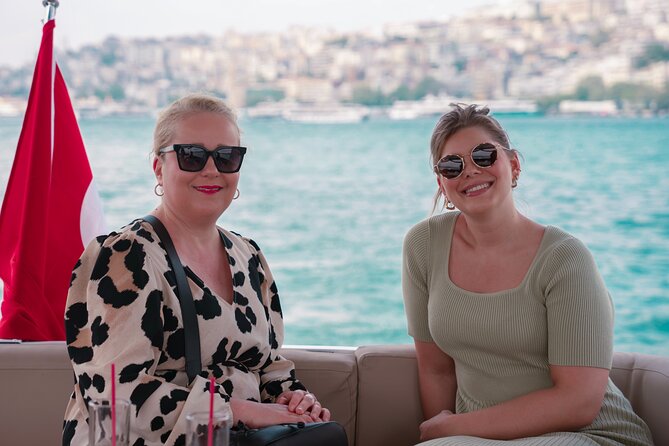
Once you’re truly on the Bosphorus Strait, you get the core Istanbul concept fast: the strait separates Europe and Asia and connects the Sea of Marmara with the Black Sea. It’s about 30 kilometers long, and it’s deep—around 60 meters on average, with deeper points reaching up to about 120 meters.
The best part here isn’t memorizing numbers. It’s realizing that this is an international waterway, which explains why the skyline looks like it belongs to an empire and a marketplace at the same time. When you sail, you’re not just passing buildings. You’re passing the edges of a geographic highway.
I also like that the experience doesn’t overload you. You’re given a sense of what you’re seeing—then you move on quickly to the “wow” moments, like palaces and iconic towers.
Galata Tower from the water: fire observatory to skyline landmark
Next, you’re in range for Galata Tower, built by the Genoese in 1348. It’s a nine-story tower and, at the time it was constructed, it was the tallest building in the city. The tower’s Ottoman-era uses are part of what makes it interesting: it served as a fire observatory and even a jail.
Then comes a famous story that helps you picture the tower beyond postcards. In 1632, Hezarfen Ahmet Celebi reportedly glided across the Bosphorus from the top of Galata Tower to Üsküdar using self-constructed wings. Storm damage in 1875 destroyed the conic roof, and the tower later got a restored cap in the 1960s with changes to the interior structure. Today, it’s open to the public and houses a restaurant and café on the upper floor.
From the yacht, you won’t climb to those viewpoints, but you’ll get a clear sense of why the tower matters in Istanbul’s skyline. When you’re looking from the water, the tower feels less like a single monument and more like a marker of the whole historic waterfront.
Photo tip: if you want straight-on skyline shots, try to position yourself as the boat turns. Small boat angles make a huge difference with tall subjects like Galata Tower.
- Bosphorus Yacht Cruise with Stopover on the Asian Side – (Morning or Afternoon)
★ 5.0 · 1,657 reviews






Maiden’s Tower legend (Kız Kulesi) at water level
Kız Kulesi, also called Maiden’s Tower, is one of those landmarks that comes with a built-in story. The tower sits on a tiny island about 200 meters from the shore of Üsküdar, and legends have turned it into a symbol.
The most popular tale involves a sultan and his daughter. An oracle predicted she would die from a snake bite on her 18th birthday. The sultan tried to protect her by placing her on a tower in the middle of the Bosphorus. On her birthday, he brought her a basket of fruits—without knowing a snake was hidden inside. She reaches in, gets bitten, and dies, as foretold by the oracle. The name ties directly to the legend.
What I like about seeing Kız Kulesi by yacht is that the story makes practical sense. From the water, you can actually understand why a tower on a tiny island would feel dramatic, isolated, and symbolic.
This is also a great moment to slow down your pace mentally. The cruise moves, but this stop has that mythic quality that makes it feel like you’ve paused in Istanbul folklore.
Dolmabahçe Palace and Çırağan Palace: Ottoman splendor, viewed as waterfront architecture
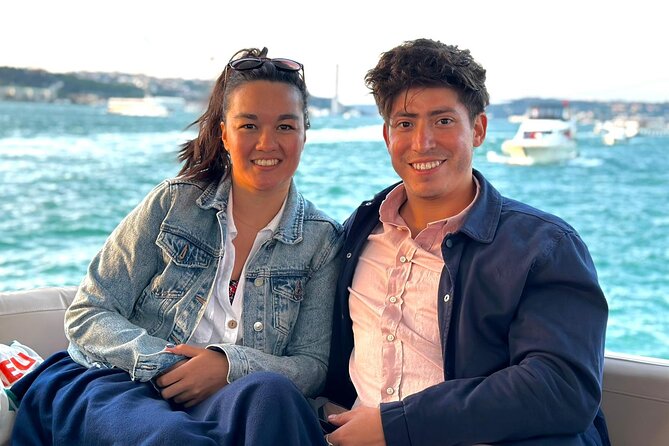
Dolmabahçe and Çırağan are both Ottoman palace stories tied to the Bosphorus edge. Dolmabahçe is on the left bank in Beşiktaş, between Dolmabahçe Street near Kabataş and Beşiktaş, along the entrance to the Bosphorus from the Sea of Marmara. It sits opposite Üsküdar and Kuzguncuk.
Dolmabahçe’s background is the kind of detail that makes it feel real: the area used to be a cove where ships anchored in ancient times, and it later became a favored residence for the sultanate. On a yacht, you’re seeing it as intended—built for the water, designed for arrivals, and shaped around a seafront life.
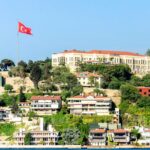
Then there’s Çırağan Palace, commissioned by Sultan Abdulaziz and designed by Sarkis Balyan. It was finished in 1871 and made of marble, covering about 80,000 square meters. Earlier, a wooden summer palace on the same site was destroyed during construction. The palace’s Ottoman-era “human drama” is heavy: after Abdulaziz was deposed, he was imprisoned there with his family. Sultan Murat V was also imprisoned there after his deposition, for years. Later, after the Second Constitutional Monarchy in 1908, it became the House of Parliament but was damaged by fire in 1910. The grounds later shifted to Besiktas Sports Club use, including as Seref Stadium territory. The palace reopened as a luxury hotel after restoration in the early 1990s.
From the water, I think you’ll feel the difference between these palaces without needing a lecture. Dolmabahçe comes across as elegant and formal along the shoreline. Çırağan carries a “stately and imposing” presence that fits its marble and its history of imprisonment and power.
You should expect these palaces to be impressive even if you don’t plan a full palace visit on land.
Ortaköy and the Bosphorus Bridge: the busy crossing you can feel
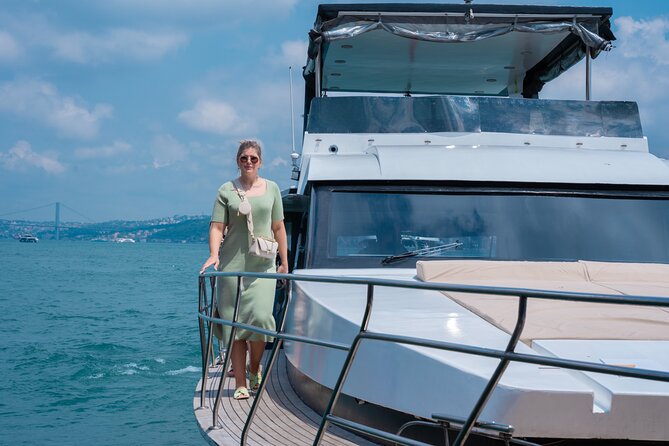
Ortaköy is a neighborhood on the European side of the Bosphorus in Beşiktaş. It’s known for its bazaar and waterfront vibe, with souvenir shops, cafés, bars, and restaurants. The market is described as lively most of the day, with a slower start before about 10:00 a.m.
Even if you won’t hop off the yacht here, you get the sense of why Ortaköy gets attention: it’s positioned where people naturally gather for views and for the “in-between” feeling of the Bosphorus.
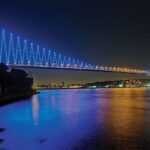
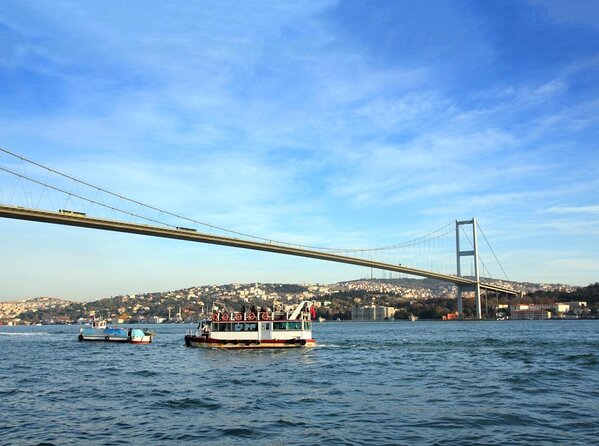
Then comes one of the main photo pulls: the Bosphorus Bridge. It’s one of two suspension bridges on the Bosphorus, and its feet are in Ortaköy on the European side and Beylerbeyi on the Anatolian side. It’s also described as the first bridge built on the Bosphorus, with construction starting in 1970 and opening on 29 October 1973, tied to the Republic’s 50th anniversary.
Practically, the bridge is active day and night and serves as a key transportation link. Symbolically, it’s one of Istanbul’s big icons. And on a yacht, that icon reads as engineering plus skyline—two things at once.
If you like night photos, this bridge can be especially photogenic. If your cruise runs in daylight, you’ll still get strong angles and a clear view of its structure.
Beylerbeyi Palace under the bridge: a summer residence with style
As you move along, you’re also aligned with the Beylerbeyi Palace, built in the 1860s on the shores of the Bosphorus. It sits right under the Bosphorus Bridge. The complex is associated with the architect Sarkis Balyan and blends renaissance, baroque, and other styles.
The main building is described as two storeys, made of stone on a high basement, on a rectangular footprint of about 2,500 square meters. The south side served as Imperial Mabeyn; the north side was used as the Valide Sultan’s Apartment. There are details like six halls, 24 rooms, and even a hamam and bathroom in the complex, plus garden space and a lily pond.
On the yacht, you’re not touring the rooms, but the value is sightline. You get a front-row sense of scale and placement: the palace wasn’t built to hide. It faces the water, then the bridge rises above it like a later chapter in Istanbul’s story.
This is the kind of stop that makes the cruise feel more like “guided looking” than “just sailing.”
Galata Bridge and the Golden Horn vibe at a glance
You also get related Golden Horn landmark energy through the Galata Bridge (Galata Köprüsü) area. The bridge history begins in 1845 and it has changed over time. It was damaged by fire in 1992, and a new bridge was built afterward. The older bridge was moved to Halic.
Why it fits here: the Galata Bridge is described as a daily-life symbol, showing up in literature and popular culture. It also has restaurants, cafés, and hookah lounges below, with a tram and pedestrian traffic passing above. On the water, you can sense how it ties neighborhoods together and how it keeps Istanbul moving.
This stretch is less about one single monument and more about the city as a functioning system.
What’s included on board (and what you should plan to bring)
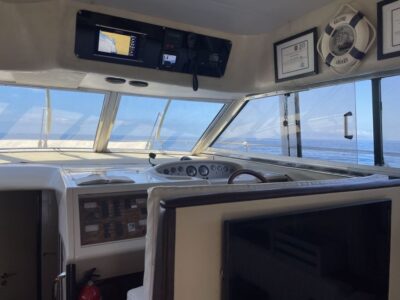
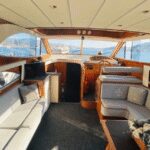
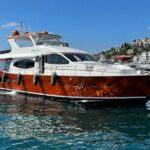
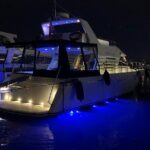
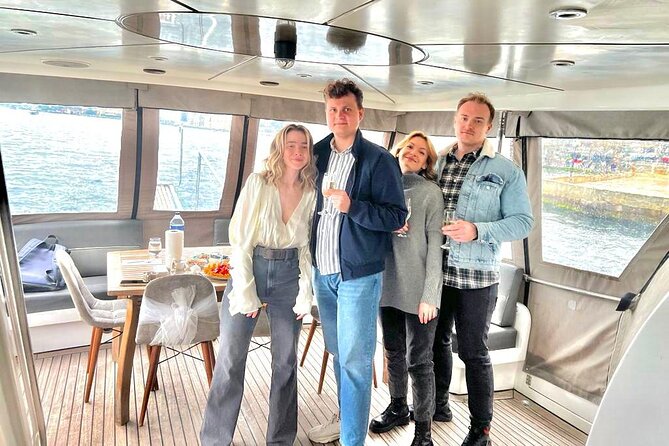
This cruise is set up with comfort in mind. You get a luxury yacht and the essentials that make an hour feel easy: coffee and/or tea, bottled water, Wi‑Fi on board, and all fees and taxes. No need to figure out purchases mid-cruise.
What’s not included: alcoholic beverages and hotel transfers. The good part is that alcohol isn’t included but you can bring your own. If that matters to your group vibe, plan it ahead.
I’d also think about your personal comfort items. The Bosphorus can feel cooler than inland streets, and you’ll likely spend time looking up at tall structures. A light layer and sun protection are smart. If you’re sensitive to boat motion, bring whatever you normally use.
Staff style and how the cruise feels in real time
The best experiences aren’t only about what you see. They’re also about the rhythm. This one has a calm, guided-yet-relaxed feel.
The on-board staff share the sights and key history, then generally leave you to enjoy the journey. That balance is ideal: you get enough context to appreciate what you’re passing, but you’re not trapped listening the entire time. One customer highlight also points to thoughtful touches like fresh fruit, lemonade, and tea.
If you want a cruise where you can talk, take photos, and still get meaningful explanations, this approach makes sense.
Price and value: $186.04 per group for up to 15 people
At about $186.04 per group (up to 15 people), the value depends on how you’re traveling.
- If you’re a small group, it can be a surprisingly good way to buy “private time” on the water at a price that won’t explode like many luxury-per-person experiences.
- If you’re larger within the group limit, it’s even better because you spread the cost across more people and you still get the privacy of a private yacht.
The duration is about 1 hour, so you’re not paying for a half-day excursion. You’re paying for access to a specific view corridor: the palaces, towers, and bridge angles you’d struggle to replicate with land logistics alone. For that, I think it stacks up well.
One more note: it’s commonly booked around 5 days in advance. I’d do the same so you don’t end up with whatever time slot is left.
Who should book this Bosphorus yacht cruise
This cruise is a strong match if you want:
- Landmark viewing with no walking stress, especially for first-time Istanbul trips.
- A private-group experience with room to breathe and a staff-led explanation that doesn’t take over your time.
- A quick, high-impact Bosphorus moment that connects Europe and Asia in one shot.
It’s also a smart “in-between plan” if your schedule is packed. You can pair it with dinner in Karaköy or Beyoğlu without needing to plan a second day of logistics.
Before you book: the one risk worth thinking about
The overall rating is high, but I’d still take service reliability seriously. One unhappy case included a last-minute cancellation a few hours before departure and a lack of quick answers about refunds. That’s not something you should ignore.
So, what do you do with that? Keep communication simple:
- Make sure your contact info is correct at booking.
- Watch for day-of messages.
- If something changes, follow up quickly so you’re not stuck in limbo.
Should you book this private Bosphorus yacht cruise?
If you want the easiest way to see Istanbul’s Bosphorus icons—Dolmabahçe, Çırağan, Galata Tower, Kız Kulesi, and the Bosphorus Bridge—this is a good buy. The big strength is that you get private-yacht comfort for a reasonable group price, with just enough context from the staff to make the views land.
I’d especially recommend it to couples, friend groups, and small family groups who want a calm evening plan that still feels special. If you’re the type who hates being rushed and you like to linger over photos and skyline angles, plan to arrive early, settle in, and treat the hour as a focused highlight pass.
If you’re hoping for a long, in-depth day with lots of stops on foot, you might find the 1-hour time window limiting. But for pure Bosphorus viewing, it’s exactly the right length.
FAQ
How long is the Bosphorus private yacht cruise?
It runs for about 1 hour.
What is the price and group size?
The price is about $186.04 per group, with a group size of up to 15 people.
What language is the experience offered in?
The cruise is offered in English.
What’s included on board?
Coffee and/or tea, Wi‑Fi on board, bottled water, and all fees and taxes are included.
Can I bring alcohol?
Alcoholic beverages are not included, but travelers can bring their own alcoholic beverage.
Where do we meet and how does it end?
You meet at Akın Balık Karaköy, Arap Cami, Fermeneciler Cd. No:40/A, 34420 Beyoğlu/İstanbul, Türkiye, and the activity ends back at the meeting point.