REVIEW · SANTA CRUZ
LA PINTA DARWIN’S LEGACY (Fri-Thurs)
Book on Viator →Operated by Metropolitan Touring · Bookable on Viator
Galápagos, but with real comfort. This 7-day La Pinta cruise turns the islands into a nonstop field trip, with certified naturalists leading hikes, dinghy rides, and snorkeling using provided gear. I especially like the mix of “on land and in water” time, including big-name sites like the Darwin Research Station and the Floreana Post Office Barrel. I also like the practical ship support: a doctor onboard 24/7, wetsuits and snorkeling equipment included, and a capped group size that keeps the vibe friendly. One consideration: the pace is active, and you’ll be walking on rocky or slippery ground and getting in and out of boats often, so moderate fitness helps.
The best part is how quickly you get to wildlife. The trip doesn’t wait for a single iconic moment. You’re seeing sea lions, iguanas, birds, and turtles within hours, and then you keep stacking encounters every day. Expect briefings, gear checks, and lots of “lets go” energy, balanced by time to recharge onboard with food, lectures, and downtime.
Below is the full, stop-by-stop reality check on what you’re signing up for—what each day feels like, what to watch for, and how to judge the value of the price.
In This Review
- Key details that matter on La Pinta Darwin’s Legacy
- Day 1: Baltra transfer, emergency drill, and a coastal walk on Santa Cruz (Metropolitan Touring)
- Day 2: Isabela’s Punta Vicente Roca and Fernandina’s wild youth
- Day 3: Urbina Bay’s uplift, Tagus Cove’s pirate-era crater hike, and whale odds
- Day 4: Rabida red beach snorkeling and Cerro Dragon’s lagoon loop
- Day 5: Darwin Research Station and Santa Cruz highlands for finches and free-roaming tortoises
- Day 6: Floreana’s Post Office Barrel, Champion Islet, flamingos, and the turtle-nesting beach
- Day 7: Baltra and the airport transfer back to the mainland
- Price and value: is $7,946 per person actually “worth it”?
- Who this cruise fits best (and who should rethink)
- Practical tips so you enjoy the week (not fight it)
- Should you book La Pinta Darwin’s Legacy?
- FAQ
- What time does this tour start?
- How long is the cruise?
- What’s included for meals?
- Are the Galápagos National Park entrance fees included?
- Is snorkeling gear provided?
- Is there onboard medical support?
- Can I get a vegetarian meal option?
- What if weather forces changes?
Key details that matter on La Pinta Darwin’s Legacy
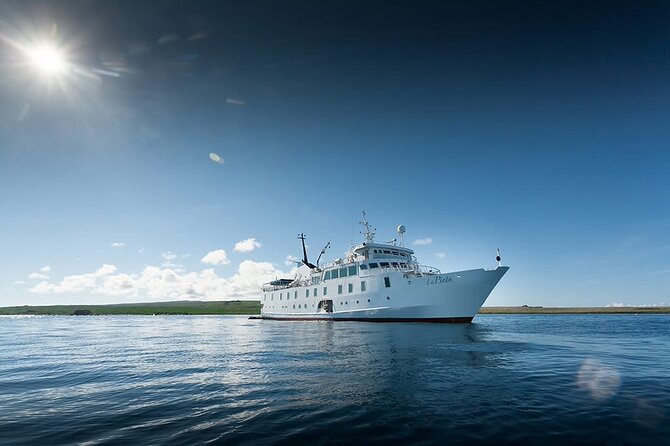
- Small ship feel (about 48 max): Reviews mention the cap and a size that still allows personal attention.
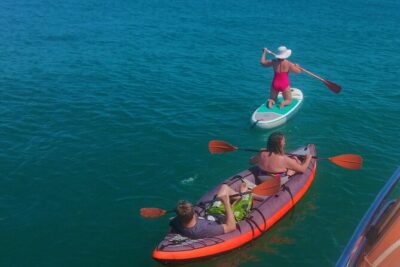
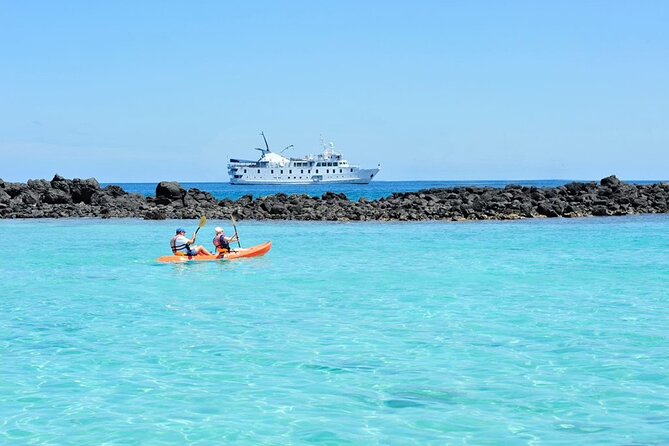
- Daily wildlife variety: You rotate between dinghies, snorkeling, hikes, glass-bottom boats, and kayaking/paddleboarding options.
- Snorkeling support is built in: Wetsuits and snorkeling equipment are included, and non-snorkelers have alternatives.
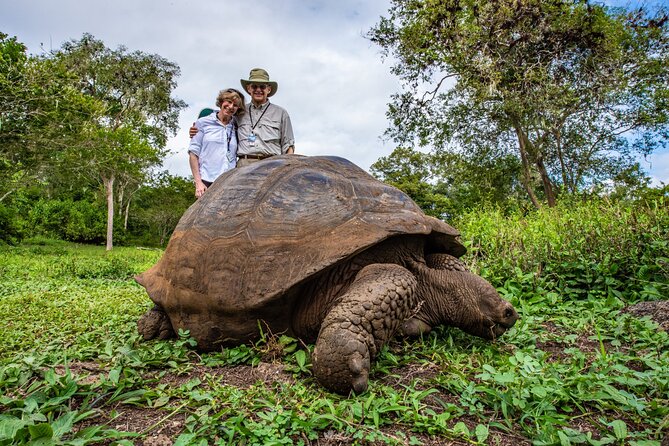
- Conservation stops aren’t just photo ops: The Darwin Research Station visit centers on giant tortoise pens and research.
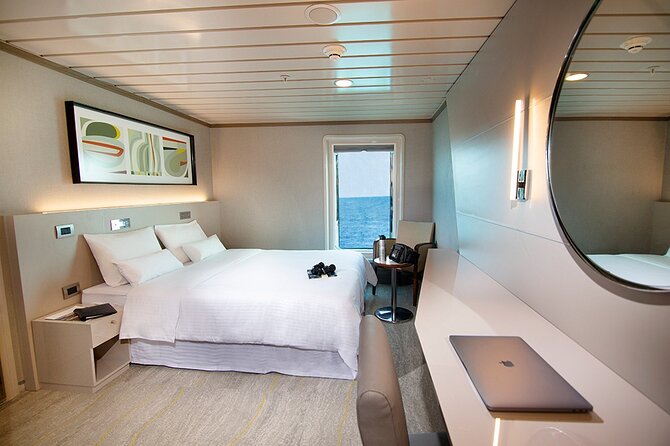
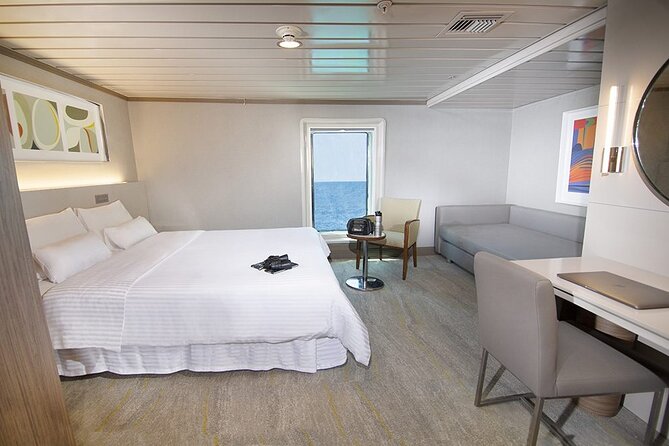
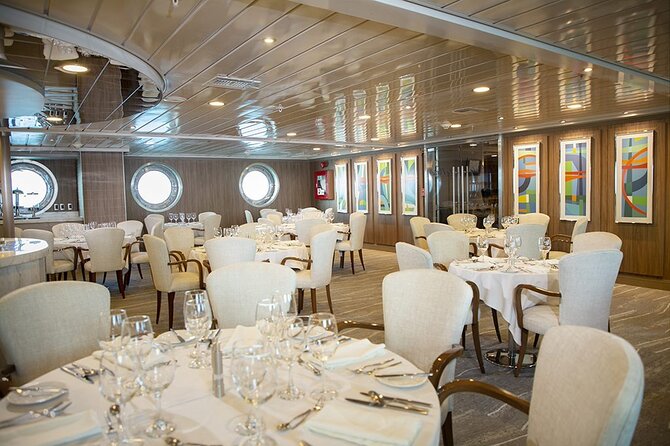
- Comfort + safety basics: Doctor onboard 24/7, plus safe storage and steady meal service.
- Wifi is available but limited: You should plan on intermittent, low-bandwidth connection.
Day 1: Baltra transfer, emergency drill, and a coastal walk on Santa Cruz (Metropolitan Touring)
Day 1 starts with a morning flight into the Galápagos airport area at Baltra, then a quick transfer to the dock. After you board Yacht La Pinta, you’ll do an emergency boat drill. It’s routine in these operations, but it’s also reassuring: you get safety procedures out of the way early.
Then comes the first island time: a walk around the coast and interior of the flat island area you explore. This is a “get your bearings” day, and it’s also a wildlife primer. You’ll look for bird colonies, sea lions, and land iguanas. If conditions allow, you may also get a chance to explore the coastline by dinghy, which helps you understand how animals use the shores here.
That afternoon-to-evening flow is smart. You get a real nature hit, but you’re not exhausted before the bigger multi-island days begin. Later you’ll return onboard for an evening briefing, a welcome cocktail, and dinner.
Practical note: Since the schedule is tight and you’re moving between ship and shore, pack for quick changes. I’d rather have the right layers and waterproof footwear than play catch-up in the wrong weather.
Day 2: Isabela’s Punta Vicente Roca and Fernandina’s wild youth
Isabela is where the geology starts feeling dramatic. At Punta Vicente Roca, there’s no standard disembark spot, so the exploration runs by dinghy. Your naturalists explain the mix of lava flows and tuff stone layers, and the point is simple: the terrain is the stage, and wildlife follows.
This is also a day where snorkeling could happen along the cliffs. The itinerary gives you a realistic chance of sharing water time with green sea turtles, depending on conditions. Even if snorkeling isn’t your thing that day, you’re still likely to see plenty from the boat and shoreline: the islands here are famous for how life works with the environment.
In the afternoon you go to Punta Espinoza to visit Fernandina, often described (by guides and visitors) as the youngest and one of the most pristine islands in the archipelago. That reputation isn’t marketing fluff. The contrast is obvious: barren volcanic terrain alongside abundant wildlife.
Highlights commonly include hawks, penguins, and flightless cormorants. You’ll also get big panoramic views of the volcanic landscapes around you. This is the kind of stop where you feel the islands are still doing their creative work.
Consideration: Fernandina and cliffside spots depend on weather. If the sea is rough, expect the crew to adjust the plan, and lean into the alternative activities they offer.
Day 3: Urbina Bay’s uplift, Tagus Cove’s pirate-era crater hike, and whale odds
Day 3 splits into two very different Isabela experiences.
At Urbina Bay, the big idea is tectonic uplift. The visitor site exists because the ocean floor was pushed up, and it shows in the underwater and shoreline life. You’ll look for corals and shells, plus colorful land iguanas. The itinerary notes that giant tortoises are possible as well.
Then comes sailing across the Bolívar Channel. Here’s where the itinerary gives a high chance of whale sightings. Even when whales don’t show up, this transit is still part of the experience because it changes how you view the islands: you stop treating them like isolated dots and start seeing them like a chain in motion.
The second stop is Tagus Cove on the northwest side of Isabela. The area served as an anchorage for pirates and whalers long ago, but today it’s a top visitor site. After disembarking, you hike uphill to the rear area of Darwin Crater, which contains salt water.
Once you’re done with the crater walk, you’ll have choices. You can snorkel or ride kayaks along dramatic coastal scenery. That combination matters because not everyone wants the same intensity. You get the same base location, then you choose your level of effort.
Tip that pays off: Don’t treat this day as just “two stops.” It’s really one long nature session with shifting modes—walking, then water. Plan to keep energy up with hydration and snacks, even if meals onboard are strong.
Day 4: Rabida red beach snorkeling and Cerro Dragon’s lagoon loop
Day 4 starts at Rabida Island, with a red-colored beach that feels instantly different from the gray and black volcanic rock you saw earlier. You stroll the shoreline looking for marine iguanas, mockingbirds, yellow warblers, and Darwin’s finches. This is a good place for bird-spotting because the habitat is compact and you’re close to the action.
Snorkeling is also a standout here. Non-snorkelers can use a glass-bottom boat, so you don’t have to sit out if conditions make the water better for some than others.
In the afternoon you go to Santa Cruz for Cerro Dragon (Dragon Hill). The walk is described as a casual loop around a brackish-water lagoon that’s often visited by lagoon birds. That gives you a slower, steadier rhythm after the beach and snorkeling time.
Then the trail turns toward inland views of the bay and the western islands of the archipelago. Land iguanas are possible here too, which means you’re not only chasing birds and sea life. You’re building a fuller picture of the island ecosystem.
Where I think this day scores: It’s balanced. You get water time, then you get land time with good views and a chance to spot animals without running every second.
Day 5: Darwin Research Station and Santa Cruz highlands for finches and free-roaming tortoises
If you care about conservation and how Galápagos is studied, Day 5 is the pivot.
First is the Charles Darwin Research Station. You’ll see giant tortoise pens and an impressive giant prickly-pear cactus forest. The station is tied to scientific research and conservation, and it also functions as administration for the Galápagos National Park. Even if you’ve read about Darwin, this stop makes the present-day work feel real.
Then after lunch, you head into the highlands of Santa Cruz by private bus. The stop is built for the classic Darwin connection: finches and the vegetation that shapes their lives. You can expect endemic scalesia trees, and giant tortoises roaming freely in the wild.
This kind of highland visit is valuable because it’s not only about iconic species. It’s about habitat. You start noticing how different elevations and plant types change what animals do and where they show up.
Small reality check: Highlands weather can feel different from the coasts. Bring layers that you can adjust quickly.
Day 6: Floreana’s Post Office Barrel, Champion Islet, flamingos, and the turtle-nesting beach
Floreana is where the trip adds a little human story.
Morning begins at Post Office Bay. You visit the historic Post Office Barrel, which served as a post office in the archipelago for over two centuries. The charm here is that it’s a Galápagos tradition you can physically stand next to, not just a theory. You’ll also enjoy dinghy rides through channels on Floreana’s north shore.
Views from La Lobería and the Baroness Viewpoint are part of the mix, and the beach area supports active options like kayaking and swimming. This is a strong day for travelers who want water time plus a bit of local lore.
In the afternoon you shift to Champion Islet and Cormorant Point. The snorkeling or glass-bottom boat portion runs along the coast of an extinct cone called Champion Islet, which helps you “see” the volcanic structure from water level.
At Cormorant Point you have an olivine-crystal beach and a brackish-water lagoon where American flamingos are possible. A short walk to the other side of the island brings you to a white-sand beach that’s often a spot for sea turtles to nest. Whether or not you catch a turtle moment, the setting is the point: it’s a reminder that wildlife here uses the beaches for real biological cycles.
Consideration: The nesting angle can make this feel extra meaningful, but nature isn’t on a schedule you control. Go for the full experience, not just the photo.
Day 7: Baltra and the airport transfer back to the mainland
Your final day returns you to Baltra for the transfer to the airport. It’s a straightforward close-out day, and it matters because you’ll likely feel a little tired from the week. Most people don’t notice fatigue until the last morning, so it helps to go easy the night before—drink water, keep your bags organized, and don’t procrastinate on any packing rules.
Baltra’s flat substrate is tied to tectonic uplift and the reason the airport was built there in the 1940s. It’s one last small context moment before you head home.
Price and value: is $7,946 per person actually “worth it”?
Let’s talk money without pretending this is cheap. At $7,946 per person for about 7 days, you’re paying for a high-cost mix: international travel from the mainland is usually separate, the ship experience and naturalist staff are the core, and park and island operations are expensive to run in a remote place.
What you do get for that price (and why it matters):
- Certified naturalist guides included throughout.
- Doctor onboard 24/7, a serious safety benefit.
- Multiple types of activities using provided equipment: glass-bottom boat, kayaks, paddleboards, and inflatable dinghies (pangas).
- Wetsuits and snorkeling gear included, which saves you from buying or renting items.
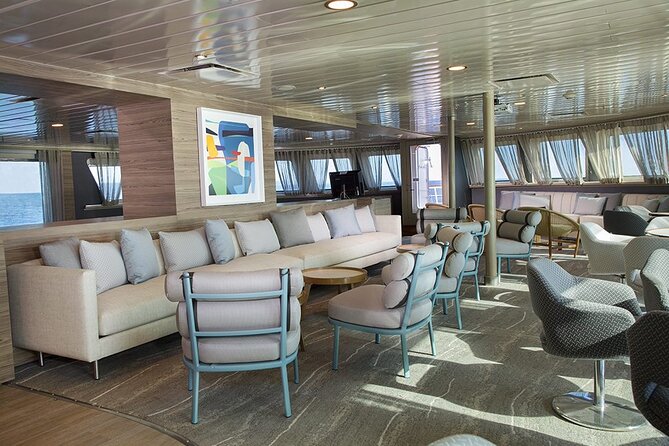
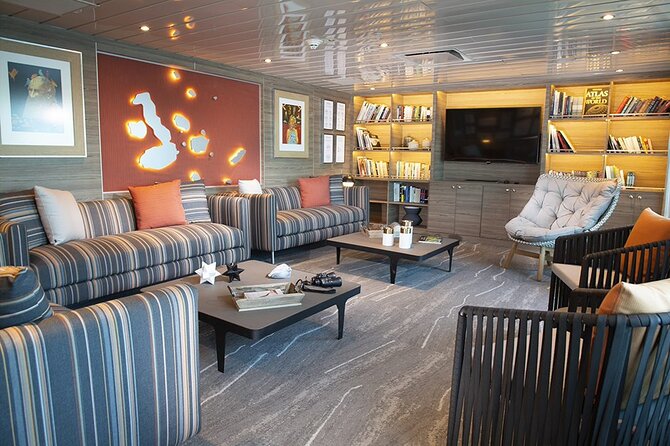
- Landing and facility fees included, plus access to onboard spaces like a reading room/library and coffee station.
- Meals included for the cruise days (6 breakfasts, 6 lunches, 6 dinners).
- Wifi onboard, though it’s intermittent and low-bandwidth due to remoteness.
Where value can wobble:
- Major costs are not included: Galápagos National Park entrance, the transit card, airport transportation to/from the islands, airport taxes, and fuel surcharge can add to your total.
- You’re weather-dependent. The experience requires good weather, so activities can shift.
Still, I think the pricing can make sense if you compare it to the cost of trying to assemble a full Galápagos experience on your own while also paying for guides, boats, permits, and safe logistics. This trip bundles the hard parts: getting you to the right places fast, with the right tools and staff.
Also, the ship size (capped around 48) tends to make the experience feel more personal. You’re not stuck in a crowd sprinting from landing to landing.
Who this cruise fits best (and who should rethink)
This tour is a great match if you:
- Want a busy, structured wildlife schedule with daily hikes and water time.
- Like having choices each day, including snorkeling, glass-bottom boat alternatives, and kayaking/paddleboarding options.
- Appreciate conservation education, especially with the Darwin Research Station stop.
- Prefer a ship with comfort features (good food, a staffed operation, and a friendly crew) while still doing active excursions.
You might want a different plan if you:
- Have limited mobility or you know you struggle with getting on/off boats and walking on uneven terrain.
- Expect a slow, lounging-only style of vacation. This itinerary is active by design.
Practical tips so you enjoy the week (not fight it)
Based on the kind of packing advice that comes with this operation, I’d plan on:
- Sturdy, waterproof sandals or similar footwear for rock and wet areas.
- UV-protective long sleeves and a hat since you’re in sun and on water a lot.
- Bring what the ship suggests on their packing list, because wetsuits and snorkeling gear are supplied, but you still need the right clothing for dry land and boat transitions.
Also, keep Galápagos biosecurity in mind. You’re told which items can’t be transferred between islands or into the protected zone. That usually means avoiding fresh produce, animal products, dairy, and other restricted items in your luggage. If you’re not sure about an item, it’s better to leave it home than risk having it flagged.
Should you book La Pinta Darwin’s Legacy?
If you’re choosing one Galápagos cruise and you want the classic islands plus a strong mix of land and sea time, I think this is a solid booking. The itinerary hits the core “Galápagos hits”: Isabela and Fernandina for wildlife and geology, Rabida and Cerro Dragon for birds and varied habitats, Santa Cruz highlands for finches and tortoises, and Floreana for the human story at the Post Office Barrel plus nesting-beach vibes at Cormorant Point.
Book it if you’re ready for an active week, you want snorkeling and hikes, and you value the included support (doctor onboard, wetsuits, equipment, guides, and meals).
Maybe skip or switch if you want total downtime, or you’re worried about frequent transfers and walks. Even with options to avoid the hardest activity on a given day, you still need to be comfortable with getting around.
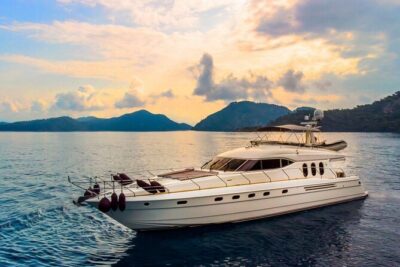
Bottom line: if you want a well-run, high-touch luxury cruise that still feels like real nature time, La Pinta Darwin’s Legacy is built for that.
FAQ
What time does this tour start?
It starts at 10:00 am.
How long is the cruise?
It’s listed as 7 days (approximately).
What’s included for meals?
You get 6 breakfasts, 6 lunches, and 6 dinners during the cruise.
Are the Galápagos National Park entrance fees included?
No. Galápagos National Park Entrance is not included.
Is snorkeling gear provided?
Yes. Wetsuits and snorkeling equipment are included.
Is there onboard medical support?
Yes. A doctor is onboard 24/7.
Can I get a vegetarian meal option?
A vegetarian option is available if you advise your needs at booking.
What if weather forces changes?
The experience requires good weather. If it’s canceled due to poor weather, you’ll be offered a different date or a full refund.