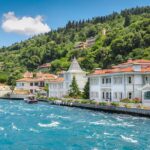
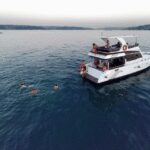
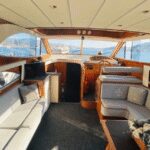
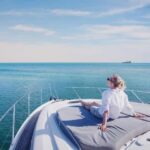
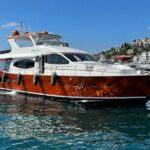
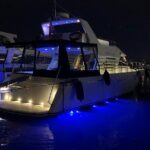
The Bosphorus feels like two cities at once. This cruise brings you along the strait’s famous waterfront palaces, fortresses, and bridges, with a real stop on the Asian side and an English-speaking guide keeping the story straight. I love the Bosphorus yacht ride for the close-up views, and I also love how the timing includes major landmarks like Dolmabahçe without turning the day into a long museum slog.
My second favorite part is the Kanlıca yogurt stop, because it’s one of those simple local breaks that tastes like Istanbul, not like a tourist snack. The only real drawback to plan for is weather: the experience requires good conditions, and on cold or rainy days you’ll want layers and comfort items.
In This Review
- Key things that make this cruise worth your time
- Getting started at Dolmabahçe, and why the route feels smart
- What you’ll enjoy on board: yacht comfort and real-time explanations
- Dolmabahçe Mosque: where the Ottoman waterfront goes extra elegant
- Dolmabahçe Palace: Ottoman splendor with a Western pulse
- Ortaköy: cafés, cobblestones, and Bosphorus street energy
- Bosphorus Bridge and the idea of East meeting West
- Rumeli Hisarı: a fortress built fast to control the strait
- The Fatih Sultan Mehmet Bridge: modern Turkey spanning a narrow moment
- Asian-side break: Kanlıca’s yogurt stop is simple and memorable
- Anadolu Hisarı: the oldest Turkish structure on the Bosphorus
- Küçüksu Pavilion: Ottoman elegance in a garden setting
- Beylerbeyi Palace: a summer palace built for visitors
- Maiden’s Tower and the Sea of Marmara meeting point
- Galata Bridge and Galataport: the modern waterfront landing
- Price and value: what you’re really paying for
- Who should book this Bosphorus yacht cruise
- Should you book this Bosphorus cruise
- FAQ
- FAQ
- How long is the Bosphorus cruise with the Asian-side stop?
- What time does the tour operate?
- Where do I meet, and where does it end?
- Is the guide available in English?
- What’s included in the price?
- Are alcoholic drinks included?
- What about weather and cancellations?
- Is the Kanlıca stop free?
Key things that make this cruise worth your time
- Luxury yacht time with a small-group cap (35 max), so you’re not lost in a crowd.
- Dolmabahçe Mosque + Dolmabahçe Palace area viewpoints, a big architectural hit in one stretch.
- Ortaköy and two famous bridges, so you get both neighborhood life and major skyline moments.
- Rumeli Hisarı and Anadolu Hisarı, the strait’s defensive architecture on both sides.
- Kanlıca yogurt stop on the Asian shore, plus a chance to pause inland from the water view.
- Onboard food and drinks including pastries, fruit, Turkish coffee, and hot comfort when the weather turns chilly.
Getting started at Dolmabahçe, and why the route feels smart
This cruise starts at the Dolmabahçe Mosque area (Ömer Avni, Meclis-i Mebusan Cd. No:34). It’s a convenient base because you’re already in the Bosphorus-adjacent part of Istanbul, where Ottoman-era buildings and water views sit close together. You’ll finish back at the same meeting point, so you avoid the stress of a one-way trip across town.
The cruise runs about 2.5 hours (10:30 AM to 1:00 PM). That’s long enough to actually enjoy the water and get meaningful sights, but short enough that you still have energy for dinner or a second walk after. It’s a good format if you want iconic Istanbul views without committing an entire day to commuting and ticket lines.
You can also read our reviews of more tours and experiences in Istanbul.
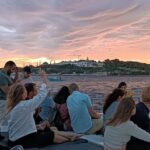
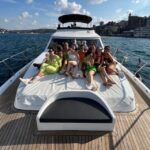
What you’ll enjoy on board: yacht comfort and real-time explanations
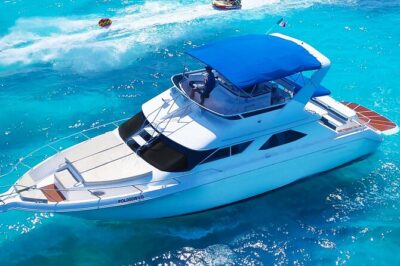
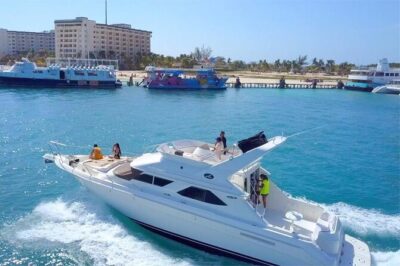
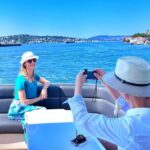
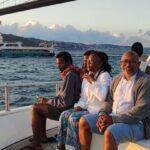
This is an onboard experience built for relaxation. You get a luxury yacht cruise, plus a professional English-speaking guide who points out what you’re seeing as you move along the strait. In other words, you’re not just staring at buildings; you’re learning how the Bosphorus shaped the city.
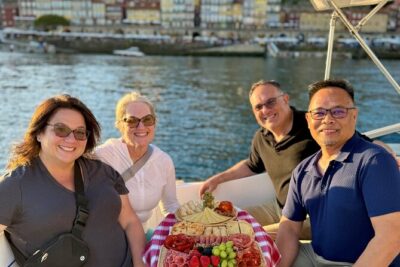
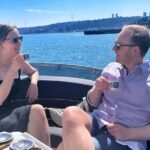
Food is part of the plan. Expect fresh pastries, seasonal fruit, light snacks, and authentic Turkish coffee with traditional Turkish delight. On cooler or rainy days, comfort seems to be taken seriously. People have noted blankets and plenty of hot Turkish tea, which matters because sitting on open water in Istanbul’s shoulder seasons can feel colder than you expect.
One practical perk: the tour uses a mobile ticket, so you can keep things simple on arrival. And with a maximum of 35 people, the experience usually feels more personal than the big-boat version.
Dolmabahçe Mosque: where the Ottoman waterfront goes extra elegant
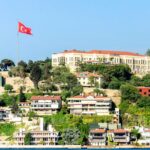
The first major Ottoman stop is Dolmabahçe Mosque, on the European shore. Commissioned by Bezmialem Sultan and completed in 1855, it’s known for its late Ottoman style that blends traditional Islamic design with European influences like baroque and neoclassical touches.
What makes this stop memorable from the water is how the architecture frames the Bosphorus skyline. You get that look at the big dome, tall arched windows, and the slim minarets lining the waterfront. Even if you keep your time focused on exterior views, it’s still a strong visual moment because the mosque sits right in the Bosphorus corridor.
A quick consideration: the cruise day lists multiple major sites, and only the Kanlıca tasting is marked as free in the schedule details you’re given. If you’re hoping to go inside every building, plan to budget extra time and potentially separate entry costs for the museums or palaces. (The cruise delivers the water experience; anything beyond that may require additional arrangements.)
Dolmabahçe Palace: Ottoman splendor with a Western pulse
Not far from the mosque area is Dolmabahçe Palace, built between 1843 and 1856 under Abdülmecid I. It replaced Topkapı Palace as the administrative center, and the building reflects a moment when the Ottoman elite were leaning into European styles.
From a cruise perspective, what you’re looking for is the sheer statement of the place: the palace is famous for its grand interior spaces, including 285 rooms and 46 halls, plus the Crystal Staircase. You’re also likely to notice the decorative contrast in its design—baroque, rococo, and neoclassical elements that feel like a shift in taste from earlier Ottoman eras.
This stop is a good match for your brain if you like architecture. It answers the question: why does Istanbul look both timeless and surprising? Dolmabahçe is where you see the empire’s final phase of opulence meet the Bosphorus as its scenic stage.
Ortaköy: cafés, cobblestones, and Bosphorus street energy
Next comes Ortaköy, a neighborhood on the European shore beneath the Bosphorus Bridge. Ortaköy was once a fishing village, and today it still has that waterfront character: small streets, easy wandering, and places to stop for a bite or a coffee while you watch the water.
The highlight here is typically the Ortaköy Mosque, with its baroque-influenced look. From the water, the mosque often photographs beautifully, and from the street it gives you a different view of how people actually live around these landmarks.
Ortaköy is also where you get the sense that Istanbul isn’t just monuments. It’s daily routine beside big history. If you want a short neighborhood break during the cruise day, this is the stop that does it.
- Bosphorus Yacht Cruise with Stopover on the Asian Side – (Morning or Afternoon)
★ 5.0 · 1,657 reviews
Bosphorus Bridge and the idea of East meeting West
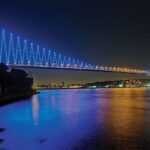
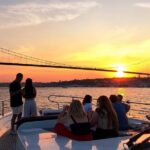
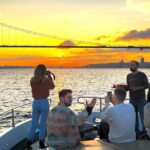
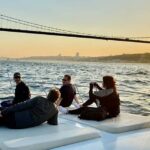
You’ll pass the Bosphorus Bridge, officially known as the 15 July Martyrs Bridge. Opened in 1973, it connects Europe and Asia for modern traffic and has become one of the city’s best-known skyline features.
The reason it works on a cruise is simple: you get scale. The bridge is about 1,560 meters long, and on the Bosphorus it creates that iconic line across the water. At night it lights up with colored LEDs, but even daytime views are worth it because the bridge’s shape is a visual “hinge” between the historic waterfront and the modern city.
If you’re the type of person who likes to understand cities in layers, the bridge gives you that modern layer in the middle of Ottoman and medieval sights. It’s a useful reminder that Istanbul is not frozen in time.
Rumeli Hisarı: a fortress built fast to control the strait
On the European side, cruise route includes Rumeli Fortress (Rumeli Hisarı). It was built in just four months in 1452 by Sultan Mehmed II, right before the conquest of Constantinople. That speed matters because it signals urgency: the fortress wasn’t a decorative project; it was a strategic tool.
What you’ll like here is the feeling of being close to the Bosphorus choke point. Thick walls and massive towers were designed to control naval traffic through the strait and block aid. From the water, this kind of defensive architecture looks even more imposing because you’re seeing it in the context it was built for: watching ships, not hosting visitors.
The tradeoff is time. You get “see it and move on” rather than a long deep museum-style visit. That said, the fortress is set up as an outdoor experience, so you don’t need to spend the entire day here to get the value.
The Fatih Sultan Mehmet Bridge: modern Turkey spanning a narrow moment
Istanbul’s second big bridge stop is the Fatih Sultan Mehmet Bridge, also called the Second Bosphorus Bridge. Completed in 1988 and named for Mehmed the Conqueror, it crosses one of the narrowest points in the strait between Rumeli Hisarı and Anadolu Hisarı.
What makes it interesting for a cruise passenger is the sense of “tightening” the geography. The Bosphorus feels different when you’re near its narrower section, and this bridge makes that shift obvious. At night it looks spectacular thanks to illumination, but day views still give you that clean modern line against the water.
This part of the cruise balances out the older sites. If the earlier stops feel heavy with centuries, the bridges remind you of the city’s ongoing engineering ambition.
Asian-side break: Kanlıca’s yogurt stop is simple and memorable
Then comes the Asian shore stop at Kanlıca (Kanlıca Meydani), with about 20 minutes on the schedule. Kanlıca is famous for its traditional yogurt, creamy and slightly tangy, usually served with powdered sugar and often enjoyed in a wooden cup.
This is one of the best moments of the day because it’s not about architecture. It’s about taste and rhythm. You’re sampling something local that fits the place, while you still get those water views that make the Bosphorus feel like a postcard you can actually stand inside.
One clear consideration: the tour notes personal expenses are not included during the Kanlıca stopover. So while the stop is part of the experience, you should plan to pay for yogurt or other items you choose to order there.
Anadolu Hisarı: the oldest Turkish structure on the Bosphorus
On the Asian side, you’ll see Anadolu Hisarı (Anatolian Fortress) across from Rumeli Hisarı. Built in 1395 by Ottoman Sultan Bayezid I, it’s the oldest Turkish structure on the Bosphorus.
This fortress plays a different role in the story than Rumeli Hisarı. It was constructed to control naval passage and set up the strategy that later helped with the conquest of Constantinople decades afterward. So you’re essentially seeing two time stages: early Ottoman defense planning on one side and later escalation on the other.
From the cruise, it’s a strong visual pairing because you can understand the “dueling forts” idea. Even if you don’t walk far inland, the positioning by the water is what makes it click.
Küçüksu Pavilion: Ottoman elegance in a garden setting
Between Anadolu Hisarı and the Fatih Sultan Mehmet Bridge is Küçüksu Pavilion (Küçüksu Kasrı). Completed in 1857, it was commissioned by Sultan Abdülmecid I and designed by Nigoğayos Balyan. The style is neo-baroque, and you can see the intent: this isn’t a fortress. It’s a display of refined leisure.
In person, the most memorable element tends to be the marble façade and the sense of ornate detail. From the river it’s also easier to picture as a summer retreat. The pavilion sits in a more romantic garden-type environment, which helps the day feel less like history class and more like a scenic route.
Beylerbeyi Palace: a summer palace built for visitors
Another Asian-side highlight is Beylerbeyi Palace, built between 1861 and 1865. It served as a summer residence and also as a guesthouse for visiting royalty and dignitaries, so it carried both prestige and hospitality in one building.
The design blends baroque, rococo, and neoclassical elements. From the Bosphorus view, you’ll get the feeling of grand interiors without needing to spend the entire day indoors. The terraces and fountains overlooking the water also help you connect the palace to its environment.
This stop is a good one if you like the idea of Istanbul’s elite living with their scenery. The palace reads like architecture designed to watch the sea.
Maiden’s Tower and the Sea of Marmara meeting point
As the route nears the Bosphorus exit area, you’ll encounter Maiden’s Tower (Kız Kulesi). It sits on a small islet where the Bosphorus meets the Sea of Marmara, and its origins go back over 2,000 years. The tower has held different roles over time, including lighthouse, watchtower, and customs station.
The story people remember is the romantic legend about a prophecy tied to the sultan’s daughter. Whether you focus on the legend or the actual function, the tower is photogenic because it’s separate from the shore and surrounded by water.
This is the type of stop that helps you close the loop on the day. Up until now you’ve had bridges and fortresses. Maiden’s Tower adds an intimate, almost timeless mood—smaller and more human-scale than the big structures.
Galata Bridge and Galataport: the modern waterfront landing
On the way back, the cruise route includes Galata Bridge, crossing the Golden Horn to connect the historic peninsula with the Karaköy area. The bridge is more than transportation. It’s a daily-life viewing platform where you can often spot locals walking and sitting, and the area under it is lively with cafés and seafood restaurants.
Then there’s Galataport Istanbul, a cruise terminal and promenade area opened in 2021. It’s a newer waterfront that turns the shoreline into a place for walking, dining, art, and shopping, while also making space for cruise ships with a modern terminal design.
This end stretch matters because it changes the emotional tone. The day starts with Ottoman icons and defensive structures, and it finishes with Istanbul’s present-day harbor life. You get a sense of how the city continues to build on water.
Price and value: what you’re really paying for
At $59.57 per person for about 2.5 hours, you’re paying for more than a boat ride. You’re paying for an English guide, onboard food and coffee, and a structured route that includes major Bosphorus landmarks on both shores.
Here’s why that value can make sense. Many Istanbul sightseeing plans force you to choose between “scenery” and “context.” This one gives you both: the water views plus explanations as you go. And with a cap of 35 people, you’re less likely to feel like you’re watching history on mute.
Your main cost watch is what you choose to buy during personal stops, especially at Kanlıca, where yogurt and drinks are your responsibility. Also remember that interior entry into specific sites is not clearly listed as included for every major stop, so if you plan to go inside places like palace or mosque during the stop time, you may want to check options in advance.
Who should book this Bosphorus yacht cruise
You’ll like this best if you want:
- A short-but-complete Bosphorus sampler without daylong travel fatigue.
- Strong architectural and historical sights, plus a real food moment on the Asian side.
- A guide-led experience in English, with comfort food and drinks on board.
It’s also a good fit for couples, first-timers, and people who want one “anchor activity” in Istanbul. If you already know you want lots of museum time, you might pair this with an extra afternoon on land. If you prefer keeping things simple, this cruise can carry the trip.
Should you book this Bosphorus cruise
Yes, if your priority is seeing the Bosphorus in a way that feels organized, comfortable, and actually enjoyable. The route hits big names like Dolmabahçe, both fortresses, iconic bridges, and the Asian-side Kanlıca yogurt stop without asking you to commit to a full day of transit.
Book it especially if you’re traveling in a season where the weather still behaves, because the cruise is designed around good conditions. If you go in cooler or rainy months, pack layers and be ready for hot drinks and blankets to matter.
If you’re the type who needs to go inside every building, treat this as a guided sightseeing and viewpoints experience first, and then plan any extra interior time separately. With that mindset, this is a very solid value way to experience Istanbul from the water.
FAQ
FAQ
How long is the Bosphorus cruise with the Asian-side stop?
It runs for about 2 hours 30 minutes.
What time does the tour operate?
The cruise runs from 10:30 AM to 1:00 PM.
Where do I meet, and where does it end?
You meet at Dolmabahçe Mosque (Ömer Avni, Meclis-i Mebusan Cd. No:34, 34427 Beyoğlu/İstanbul) and the activity ends back at the meeting point.
Is the guide available in English?
Yes, the tour is offered in English.
What’s included in the price?
Included are the 2.5-hour Bosphorus cruise aboard a luxury yacht, services of a professional English-speaking guide, savory pastries, seasonal fresh fruits, light snacks, and Turkish coffee with traditional Turkish delight.
Are alcoholic drinks included?
No. Alcoholic drinks are available for purchase upon request.
What about weather and cancellations?
The experience requires good weather. If it’s canceled due to poor weather, you’ll be offered a different date or a full refund. Free cancellation is available up to 24 hours in advance for a full refund.
Is the Kanlıca stop free?
The schedule notes admission ticket free for the Kanlıca yogurt stop, but personal expenses during that stop (like yogurt, drinks, or souvenirs) are not included.